


























Staff Reporter:
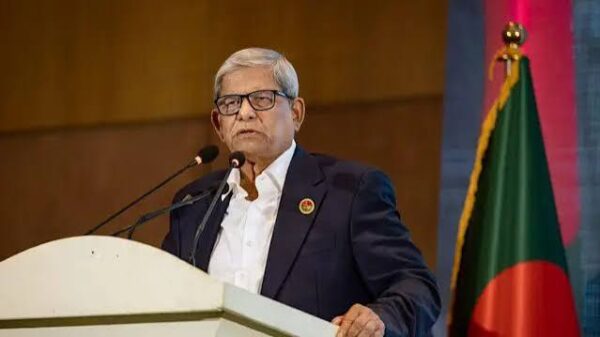
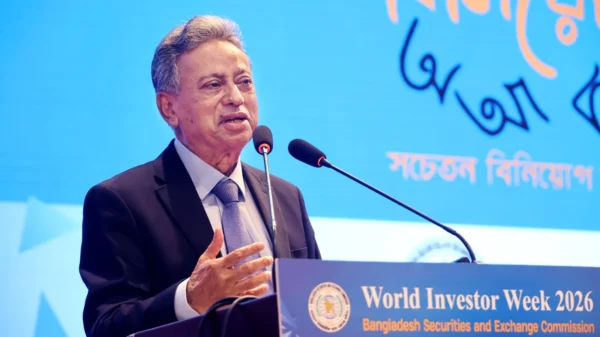
Foreign Minister Dr Khalilur Rahman yesterday declared that “Bangladesh First” will anchor the coun-try’s foreign policy, stressing that Dhaka seeks to maintain good relations with all nations, particularly its neighbours, based on respect and mutual benefit.
“Bangladesh First will be the core philosophy of our foreign policy … we want to maintain good rela-tions with all countries, especially our neighbors. Our goal is to maintain respectful and mutually benefi-cial relations with everyone,” he told reporters at the state guest house Padma yesterday evening.
As his first day at the office, the newly appointed foreign minister outlined a national interest-driven diplomatic approach anchored in sovereign equality, mutual respect and responsible engagement with the international community.
Dr Rahman said the government has undertaken a comprehensive reassessment of Bangladesh’s foreign policy establishing a clear guiding principle—“Bangladesh First.”
“The Honorable Prime Minister (Tarique Rahman) has repeatedly stated in his speeches that Bangladesh First will be the core philosophy of our foreign policy,” he added.
He emphasized that the policy framework would stand on five key principles: sovereign equality, respect for each other’s independence, non-interference in internal affairs, national dignity and honor, and mu-tual benefit.
“We will protect our national interest to the very last extent,” he added.
Responding to a question on regional stability, the foreign minister said Bangladesh seeks to return to a confident and proactive foreign policy posture, recalling the foundations laid by martyred President Ziaur Rahman.
On ties with neighboring countries, Dr Rahman reiterated the government’s commitment to balanced and constructive engagement.
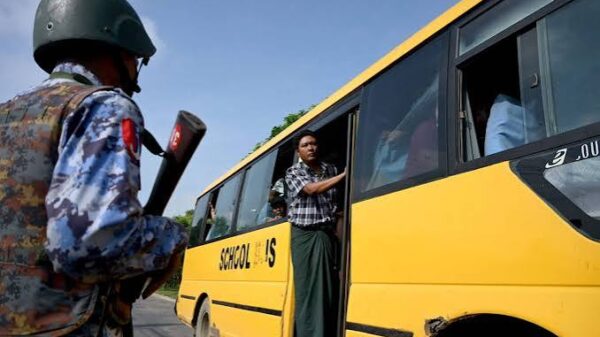
On the Rohingya crisis, Dr Rahman said the government’s focus would intensify rather than diminish.
“Our focus on the Rohingya issue will not diminish—in fact, it will be further strengthened,” he said, noting that during the interim period Bangladesh maintained communication with both the Myanmar government and the Arakan Army.
“That engagement will continue. We want a swift, realistic and sustainable solution to this problem,” he added.