



















Staff Reporter:
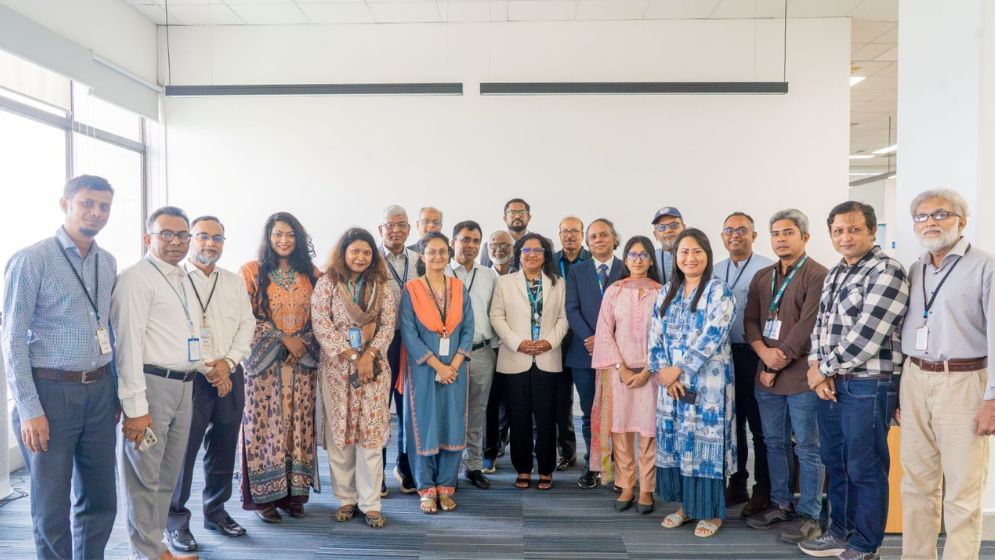
The United Nations Development Programme (UNDP) signed Memoranda of Agreement (MoAs) with 12 partner organisations under the Global Environment Facility (GEF) Small Grants Programme (SGP) on Thursday in Dhaka.
The MoAs mark a new phase of community-led efforts to protect biodiversity, restore ecosystems, strengthen climate resilience and promote sustainable livelihoods across Bangladesh.
The GEF Small Grants Programme, implemented by UNDP, supports civil society and community-based organisations in developing locally driven solutions to environmental challenges while improving livelihoods.
The newly selected projects will strengthen community participation, encourage local innovation and create sustainable economic opportunities, particularly for women, youth and vulnerable communities.
Selected through a competitive evaluation process, the 12 projects will be implemented across ecologically significant areas, including the Sundarbans, Cox’s Bazar-Teknaf coastal region, Saint Martin’s Island, Hakaluki Haor, Tanguar Haor, the Chittagong Hill Tracts and the Barind region.
The initiatives will focus on mangrove and wetland restoration, sea turtle conservation, protection of elephant habitats, community-based waste management, sustainable agriculture and climate-resilient livelihoods.
Several projects will also introduce circular economy solutions, renewable energy, resource-efficient aquaculture and alternative income-generating opportunities for communities’ dependent on natural resources.
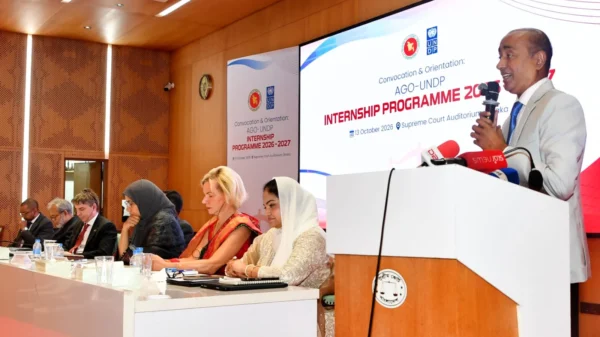
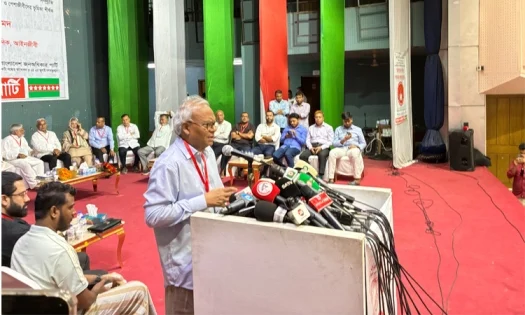
Speaking at the signing ceremony, Sonali Dayaratne, acting resident representative, UNDP Bangladesh, emphasised the importance of translating these partnerships into lasting environmental and social benefits.
“The real success of these partnerships will be measured by the improvements they bring to ecosystems and to the lives of people who depend on them. Our focus must be on delivering results that communities can sustain long after the projects are completed,” she said.
Earlier, welcoming the participating organisations, Sarder M Asaduzzaman, assistant resident representative, UNDP Bangladesh, highlighted the importance of community ownership and collective responsibility in addressing environmental challenges.
“These agreements mark the beginning of partnerships built on shared responsibility, local innovation and a commitment to sustainable development. By empowering communities to address environmental challenges through locally driven solutions, we can strengthen resilience and create lasting opportunities for women, young people and vulnerable groups,” he said.
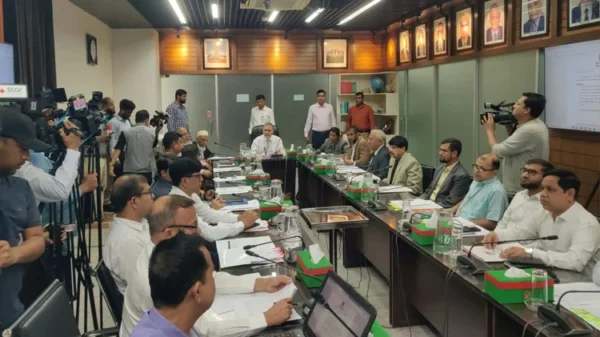
The agreements formalised the roles and responsibilities of UNDP and the partner organisations, establishing a framework for effective implementation, innovation, accountability and sustainable project outcomes.
Particular emphasis was placed on the potential to expand successful community-led solutions and ensure lasting environmental benefits.
In association with the Ministry of Environment, Forests and Climate Change, UNDP continues to connect biodiversity conservation and climate resilience with inclusive economic development through the GEF Small Grants Programme.
The 12 new partnerships aim to demonstrate how locally driven initiatives can contribute to national environmental priorities while improving livelihoods and protecting vulnerable ecosystems across Bangladesh.