





















Staff Reporter:
Rising living costs have put severe pressure on low and middle-income households across Bangladesh, as prices of essentials, services and housing continue to climb while incomes lag behind.
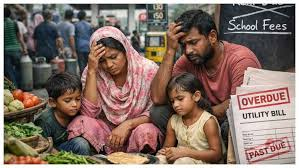
Consumers face higher prices in markets, alongside rising hospital bills, school and college fees, transport fares and house rents. Many households now struggle to cope as their earnings fail to keep pace with expenses.
The ongoing energy crisis, driven in part by tensions in the Middle East, has added a new burden. Higher fuel costs have pushed up transport expenses, which in turn have driven further increases in the prices of essential goods.
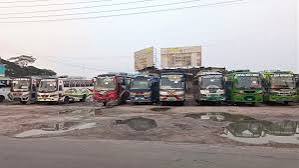
The impact has hit transport-dependent workers particularly hard. Around one million people work in the ride-sharing sector, including drivers for platforms such as Pathao and Uber. Many now spend hours in queues for fuel, cutting into their working time and reducing their income.
Authorities have also asked shopping centres and markets to close by 6pm, placing additional pressure on traders and small businesses.
Across the capital and district towns, many consumers have started to cut back on purchases, while some return from markets empty-handed. Families struggle to meet basic needs, with food, healthcare and education costs rising sharply.
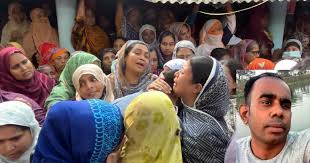
The healthcare sector shows growing strain. Each year, about five million people fall into poverty due to medical expenses, with many taking loans or paying high interest to cover treatment costs. Some later sell land or assets to repay debts. Despite high spending, many patients still fail to receive adequate care.
Recent health data highlights system weaknesses, with 37 children dying from measles and 174 more deaths reported with related symptoms in the past month.
Education costs have also surged. Parents struggle to pay for tuition, coaching, private tutors and books, with expenses rising by 60 to 90%, especially at the secondary level. Many low-income families now withdraw children from school. A private study suggests nearly half of students drop out at some stage, largely due to poverty. UNESCO data shows education costs have risen by around 80%, while about 7% of families take loans to fund schooling.
Housing rents, transport and daily expenses have also increased, hitting private sector employees the hardest as wages remain largely stagnant. Many households have started to dip into savings or rely on borrowing to survive.
Official data shows a slight decline in inflation, but people see little relief. According to the Bangladesh Bureau of Statistics, inflation fell to 8.71% in March from 9.13% in February. Food inflation stood at 8.24%, while non-food inflation reached 9.09%.
At the same time, wage growth stood at 8.09%, below the inflation rate, leading to a decline in real income and purchasing power.
Economist Mustafa K Mujeri said high inflation continues to affect all income groups, especially salaried workers with fixed earnings. He noted slower economic growth and fewer job opportunities have worsened living standards.
He also warned that rising healthcare and education costs, combined with weak service delivery, could have long-term consequences, as many families struggle to invest in health and education.