






















Commerce reporter:
Bangladesh’s non-traditional export have recorded significantly higher growth than the overall exports during the first four months of the current fiscal year, indicating gradual progress in diversifying the country’s export basket.
According to the latest data from the Export Promotion Bureau (EPB), the country’s total export earnings increased by 5.88 percent year-on-year to US$17.09 billion during July-October of FY2026-27.
While the ready-made garment (RMG) sector continued to dominate export earnings, several non-traditional sectors posted growth rates ranging from more than twice to nearly five times the national average.
Besides, Chemical products recorded the highest growth of 27 percent, followed by jute and jute goods at 24.88 percent, specialised textiles at 16.52 percent, leather and leather products at 12.47 percent, and engineering products at 12.44 percent.
The performance reflects the emerging contribution of diversified industries to export growth and highlights their potential to reduce the country’s heavy dependence on the RMG sector.
Chemicals lead export growth
Chemical products emerged as the fastest-growing sector, with export earnings reaching US$157.15 million during the four-month period, marking a 27 percent increase from the corresponding period of the previous fiscal year.
The pharmaceutical industry played a significant role in the growth, earning US$101.73 million, up 36.44 percent year-on-year.
Industry insiders attributed the growth to improved compliance with international standards, expansion into new markets and increasing recognition of Bangladeshi pharmaceutical products in overseas markets.
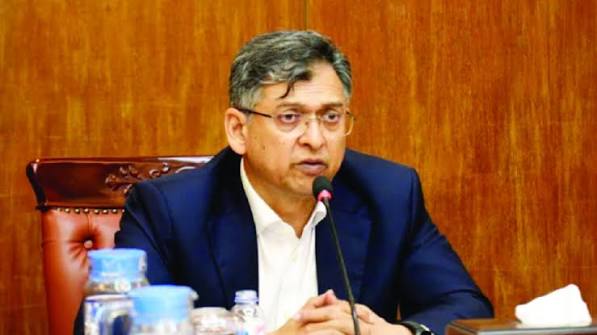
Talking to media, Mohammad Hasan Arif, Vice-Chairman and Chief Executive (Additional Secretary) of the EPB, said the performance demonstrated the country’s growing capacity in value-added manufacturing.
He said the chemical sector, particularly pharmaceuticals, was gradually emerging as a promising driver of export diversification with considerable potential for future expansion.
Jute goods benefit from global demand for sustainable products
Exports of jute and jute goods rose by 24.88 percent to US$346.37 million during July-October, making the sector the second-fastest-growing category among the major emerging export industries.
Growing international demand for environmentally friendly and biodegradable alternatives to plastic has created new opportunities for Bangladesh’s jute industry.
The EPB Vice-Chairman said the global shift towards sustainable products offered significant prospects for Bangladeshi jute manufacturers, particularly in developed economies.
Dr. Mohammad Kamruzzaman, Vice-Chairman of the Bangladesh Jute Goods Exporters Association (BJGEA) said this positive growth reflects the sector’s strong potential and increasing opportunities in international markets.
He emphasized that Bangladesh should capitalize on this momentum by expanding exports to new destinations, particularly African markets, while strengthening its presence in existing markets.
He also expressed his sincere appreciation to the government for stopping raw jute exports, stating that the decision would help ensure a steady supply of raw materials for local industries, encourage value addition and boost the export of finished jute goods.
“Instead of exporting raw jute, we should focus on producing and exporting higher-value jute products. This will create more employment, increase export earnings and strengthen Bangladesh’s position in the global jute market,” he added.
Specialised textiles show strong potential
Specialised textiles recorded 16.52 percent growth, with export earnings reaching US$142.22 million during the reporting period.
The sector includes higher-value products beyond conventional apparel, such as industrial fabrics, technical textiles and specialised materials used in healthcare and manufacturing.
The EPB Vice-Chairman said the sector offered considerable opportunities for greater value addition, technological advancement and export diversification.
Leather sector maintains momentum
Leather and leather products earned US$465.05 million during the July-October period, registering 12.47 percent growth compared to the same period of the previous fiscal year.
Improved compliance standards, increased emphasis on value-added products and stronger demand from international buyers contributed to the sector’s positive performance.
Industries insiders consider leather one of Bangladesh’s most promising non-RMG export industries, given its backward linkages and availability of locally sourced raw materials.
The EPB Vice-Chairman said continued improvements in quality, compliance and product development would help the country strengthen its position in premium international markets.
Engineering products gain ground
Engineering products generated US$247.23 million in export earnings, registering 12.44 percent growth during the first four months of FY2026-27.
The sector includes bicycles, machinery parts, industrial components and various light engineering products.
Experts consider engineering goods strategically important because of their technological content, scope for innovation and relatively higher value addition.
The EPB Vice-Chairman said investment in technology, innovation and skills development could help transform engineering products into a major contributor to Bangladesh’s export earnings in the medium and long term.
Diversification gains gather momentum
EPB data show that all five major emerging sectors significantly outperformed the overall export growth rate of 5.88 percent during the reporting period.
Chemical products grew nearly five times faster than overall exports, while jute goods recorded more than four times the national growth rate. Specialised textiles, leather and engineering products also posted substantially higher growth.
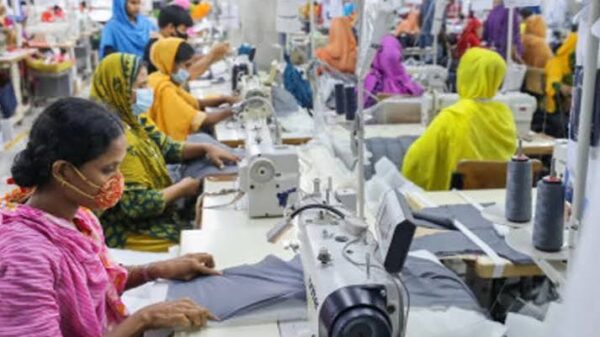
Although the RMG industry continues to account for more than 80 percent of Bangladesh’s export earnings, the expansion of other sectors is gradually creating opportunities for a broader and more resilient export base.
The EPB Vice-Chairman said the latest figures reflected encouraging progress in the country’s efforts to diversify its export basket.
He said policy support, market diversification, investment promotion and technological upgrading would be essential to maintaining the growth momentum of emerging industries.
He also stressed the need to develop new export-oriented industries alongside the garment sector to ensure sustainable and competitive growth.