





















Staff Reporter:
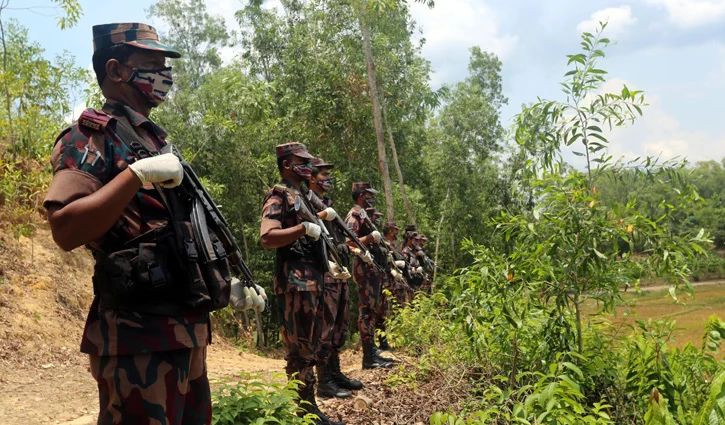
The Border Guard Bangladesh (BGB) has significantly expanded its technological capabilities along the country’s borders by deploying a fleet of advanced drones, anti-drone systems and thermal surveillance devices as part of the Home Ministry’s 180-day action plan to strengthen border secu-rity and combat cross-border crimes.
The technology-driven border security initiative is among the major achievements highlighted in the overall implementation of the Home Ministry’s 180-day action plan, which covered the period up to August 16, 2026, in line with the BNP’s electoral pledges.
Under the initiative, the BGB has added five medium-range drones, 50 short-range (TI) drones, 82 surveillance drones and 10 handheld anti-drone systems to its fleet using its own funds.
The force has also installed 21 night-vision cameras and thermal devices along the Myanmar border and 145 such devices along the Indian border, substantially enhancing round-the-clock surveil-lance capabilities in vulnerable border areas, according to a Home Ministry report.
The initiative comes as the government seeks to modernise law enforcement and security agencies through greater use of surveillance technology, intelligence-based operations and digital monitor-ing.
As part of the government move towards technology-driven security system, the National Tele-communication Monitoring Centre (NTMC) has completed the modernisation of its firewall system.
The initiatives are aimed at enhancing the government’s capacity to monitor emerging security threats and respond more effectively through technology and real-time information.
The Simanta School of Surveillance and Drone Warfare (SSSDW) was inaugurated at the Border Guard Bangladesh (BGB) Sector Headquarters in Sylhet on Tuesday, marking a new step in strengthening technology-driven border security.
At the inauguration, BGB personnel demonstrated a series of drone-based surveillance and opera-tional drills, showcasing how the technology can be used to monitor border areas, prevent illegal push-ins, detect suspicious movements linked to smuggling, and respond rapidly to potential threats.
The newly established training school aims to expand BGB’s capacity to deploy modern surveil-lance technology and strengthen its operational readiness through specialised drone-based train-ing.
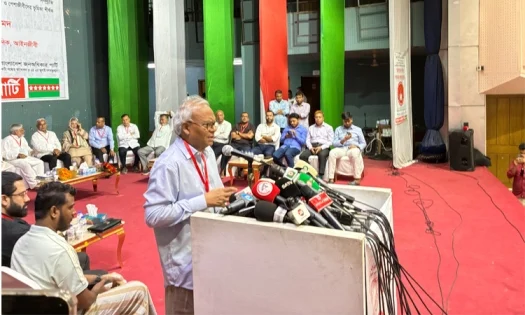
Home Minister Salahuddin Ahmed, who attended the event as the chief guest, said that the mod-ern drone technology will enhance security and surveillance in remote and forested border areas.
The minister said night-vision and thermal-equipped drones would enable round-the-clock sur-veillance and help curb smuggling, drug trafficking and illegal arms movement.
He said the training centre would gradually be expanded to include civilians and equipped with the latest drone technologies within the next one to two years.
With the increasing deployment of drones, thermal imaging equipment, digital monitoring sys-tems and online public services, the 180-day action plan reflects a broader shift towards technolo-gy-driven policing, intelligence-led security and modernised citizen services across the Home Min-istry and its subordinate agencies.
The Home Ministry report said despite the progress, the report identified budget constraints, limi-tations in modern technology and shortages of manpower as major challenges to full implementa-tion of the action plan.
The ministry is working with the Finance Ministry and the Ministry of Public Administration to se-cure additional funding and expedite the creation of new posts, according to the report.