









Staff Reporter:
The government has decided in principle to introduce subsidised liquefied petroleum gas (LPG) cylinders for low-income households in rural and marginalised areas in a move aimed at improving energy access, reducing dependence on traditional cooking fuels and protecting public health.
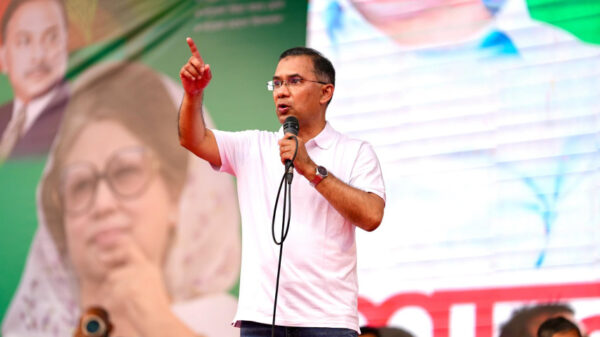
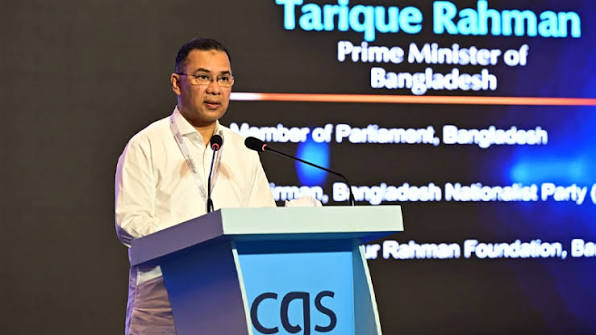
The policy decision of providing subsidised LPG cylinders for low-income rural families was taken at a meeting chaired by Prime Minister Tarique Rahman on 9 July, according to officials.
The Ministry of Power, Energy and Mineral Resources has been instructed to work with the relevant agencies to formulate and implement the initiative, which officials expect to roll out in the near future.
Energy experts and industry insiders welcomed the move, saying it could significantly enhance energy security for poor households while contributing to rural development, environmental conservation and better public health.
Shafiqul Alam, Bangladesh Lead Energy Analyst at the Institute for Energy Economics and Financial Analysis (IEEFA), described the initiative as a positive step, noting that neighbouring India has successfully implemented a similar programme.
He, however, suggested that the scheme should also cover poor families living in urban slums in Dhaka and other cities.
To ensure the programme’s success, he stressed the need for an accurate database to identify genuine beneficiaries and called for a robust monitoring system to prevent subsidised cylinders from being diverted for commercial use or sold on the black market.
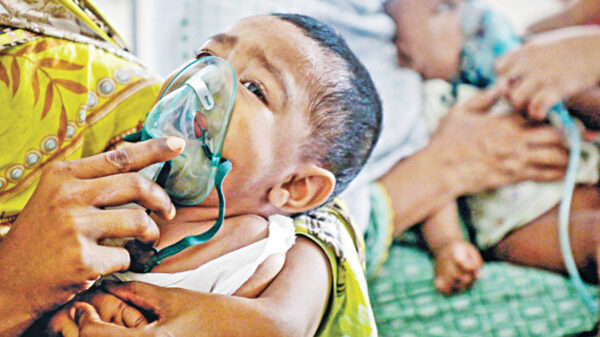
Millions of rural households in Bangladesh still rely on firewood, crop residue and cow dung for cooking, contributing to deforestation and exposing women and children to harmful indoor air pollution that can cause serious respiratory diseases.
Although some comparatively well-off rural families have switched to LPG, many cannot afford regular use because of the high cost of cylinders.
LPG is widely used in Bangladesh for household cooking, industrial operations, commercial establishments and vehicle fuel (autogas).
Over the past seven years, national LPG consumption has more than doubled to exceed 1.5 million tonnes, with around 80 per cent used by households. The country’s average monthly LPG demand currently stands at around 130,000 tonnes.
Nearly 98 per cent of Bangladesh’s LPG supply comes from private companies, while only 2 per cent is supplied by the government.
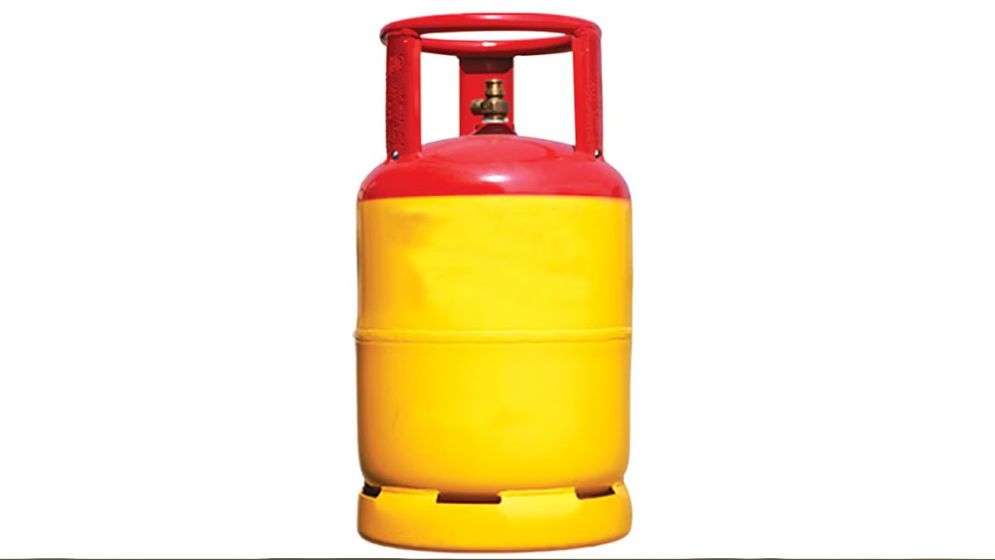
The government currently sells a 12.5kg LPG cylinder for Tk825, a price that has remained unchanged for a long time. However, government-supplied cylinders are available only in limited quantities and remain inaccessible to most consumers.
Private-sector LPG cylinders, meanwhile, often cost nearly twice as much or even more. Although the Bangladesh Energy Regulatory Commission (BERC) announces a monthly retail price, consumers frequently pay above the official rate as many retailers charge additional amounts.
Several South Asian countries have adopted targeted LPG subsidy programmes to improve clean cooking access for low-income households.
India operates one of the world’s largest and most successful subsidised LPG schemes, providing free LPG connections, including cylinders and regulators, to millions of families living below the poverty line.
A key feature of the Indian model is its Direct Benefit Transfer (DBT) system, under which consumers purchase LPG at the market price while the government transfers the subsidy directly to beneficiaries’ bank accounts, reducing opportunities for corruption and black-market activities.
Pakistan has also introduced temporary schemes to provide subsidised LPG cylinders to low-income households in remote areas, particularly during the winter season.
Officials believe Bangladesh’s proposed programme could play a vital role in expanding access to clean cooking fuel, improving living standards in rural communities and supporting the country’s broader environmental and public health goals.