
















Staff Reporter:
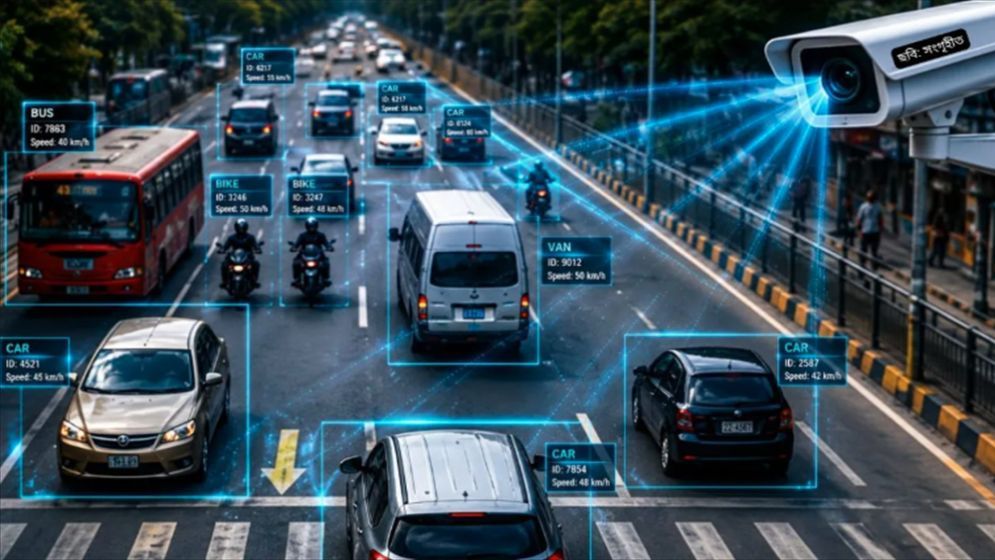
Dhaka Metropolitan Police (DMP) has initiated a project to expand an Artificial Intelligence (AI) driven traffic signal and camera system across the capital to ease persistent traffic congestion and modernise traffic management.
Following positive outcomes from a recent experimental pilot phase, authorities plan to bring 120 major intersections under this technology during the first phase. The two city corporations of Dhaka will collaborate with the DMP to implement the system.
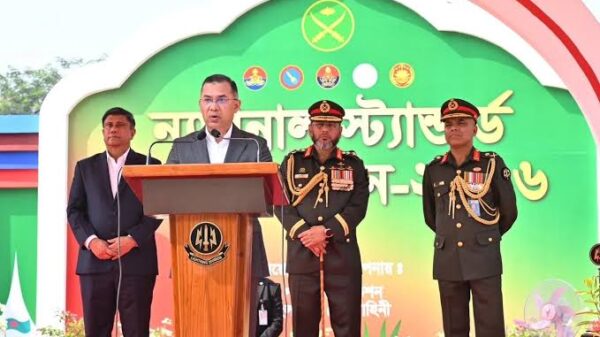
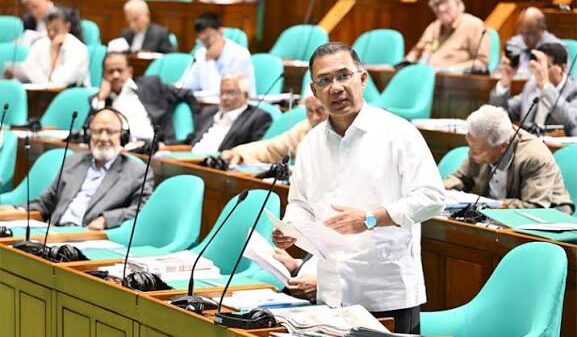
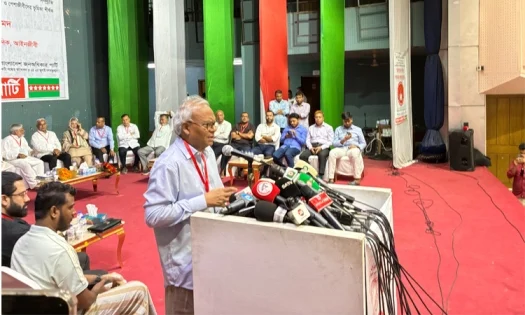
The DMP presented the comprehensive plan during a high-level meeting on traffic management modernization at the Secretariat on Monday (15 June). Prime Minister Tariq Rahman chaired the meeting.
According to meeting sources, the two city corporations will actively assist the DMP in executing the project. Authorities will carry out the modernisation work in phases to fully automate traffic control systems on major thoroughfares.
Officials during the session confirmed that the project requires no additional allocations or special funds. Stakeholders noted that the police department can successfully execute the initiative using its internal funding.
Earlier, on 1 September last year, authorities introduced modern traffic signals on a trial basis at Jahangir Gate, in front of the Chief Adviser’s Office, Bijoy Sarani, Farmgate, Kawran Bazar, Bangla Motor, and the Hotel InterContinental intersection.
Bangladesh University of Engineering and Technology (BUET) developed these signal lights using domestic technology. The systems operate automatically but allow manual overrides when necessary.
The two city corporations are funding the signal installation project, while the DMP traffic division supervises the control operations. The Dhaka Transport Coordination Authority (DTCA), under the Ministry of Road Transport and Bridges, coordinates the entire process.
The DMP subsequently integrated AI technology into these pilot points on 7 May this year. The AI-based cameras feature specialised software designed to automatically detect violations of the Road Transport Act, 2018.
Police officials and transport experts believe this technology will play a vital role in restoring discipline to the transport sector, tracking traffic violators, and ensuring efficient traffic flow.