

















Staff Reporter:
Voters cast ballots in 299 constituencies across the country on Thursday in the 13th parliamentary election and referendum. Election Commission conducted voting from 7:30am to 4:30pm without a break and began counting immediately afterwards. Officials announced results later in the night.
Unofficial results declared by the Election Commission show that the Bangladesh Nationalist Party secured the majority required to form the government.
Under the constitution, the formation of a new government begins with the swearing-in of newly elected members of parliament. However, uncertainty surrounds the oath-taking process this time.
The constitution states in Article 148 that authorities must publish the election results in the official gazette, and elected members must take oath within three days of that publication. Unofficial results do not trigger the three-day deadline, and officials may take several additional days to issue the gazette notification.
Questions have arisen over who will administer the oath. In the past, the speaker of parliament administered the oath to newly elected lawmakers. However, the country currently has no sitting parliament or speaker following the 2024 mass uprising. Authorities have also detained the deputy speaker.
Article 148 provides two options. The president may nominate a person to administer the oath. If the nominated person fails to do so within three days of the gazette notification, the chief election commissioner must administer the oath within the following three days.
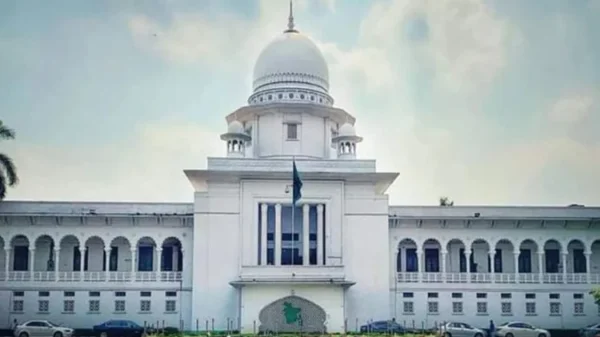
On 5 February, Law Adviser Asif Nazrul of the interim government told reporters that the administration wants to transfer power quickly after the election. He said the president could nominate a person, such as the chief justice, to administer the oath. If that does not happen, the chief election commissioner will conduct the ceremony, although the constitution requires a three-day wait in that case.
After lawmakers take oath, the president will invite the party or alliance that wins at least 151 seats to form the government. The president will invite the leader of that party as the person who commands the confidence of the majority in parliament. The president will then appoint that leader as prime minister under Article 56 of the constitution.
The prime minister and other cabinet members will assume office immediately after taking oath. The oath itself marks the formal transfer of power, as the constitution states that a person assumes office immediately upon taking the required oath.