






























–Farhana Afrojj–
For many communities, land is not just a property, it’s identity, power and survival. But when ownership becomes uncertain, violence often follows. In the middle of this year there is a murder incident where A khatib of a local mosque, his cousin and his cousin’s wife were killed in a clash over a Land dispute at Kutupalang under Ukhiya Upazila of Cox’s Bazar. Like this there are so many incidents occuring due to dispute over lands.Land conflict refers to a legal and socio-economic dispute arising from competing claims over land ownership, inheritance, boundaries, possession, or the lawful use of land. Such conflicts typically emerge when rights to land are ambiguous, undocumented, or contested between individuals, families, communities, private entities, or the State. They may stem from defective or fraudulent title documents, overlapping boundary demarcations, inheritance claims, adverse possession, encroachment, or competing land-use interests. In legal terms, land conflict signifies a violation or contestation of rec-ognized property rights, requiring resolution through statutory land laws, judicial proceedings, or admin-istrative mechanisms such as land registration systems, survey authorities, and dispute-settlement tribu-nals. If left unresolved, these conflicts can escalate into prolonged litigation, social unrest, and impedi-ments to development and governance.Land conflict remains a major national concern due to a combina-tion of historical, administrative, and socio-economic factors. The rising population and rapid urban ex-pansion have significantly increased the demand for land, intensifying disputes over ownership, inher-itance, boundaries, and land use. At the administrative level, outdated land records, inconsistent surveys, multiple deeds for the same property, and corruption in registration processes undermine the clarity and reliability of land ownership, creating fertile ground for conflict.
Additionally, delays in the judicial process and the absence of efficient, accessible dispute-resolution mechanisms allow minor disagreements to escalate into long-term and sometimes violent confrontations. Given that land represents both economic security and cultural identity for many families, disputes often carry emotional weight and affect broader social harmony.
As a result, land conflict persists as a critical legal and developmental challenge, demanding comprehen-sive reforms in land management, digitization of records, and timely resolution of disputes.Land con-flicts in our country arise from a combination of structural weaknesses, administrative failures, and so-cio-political pressures. One major factor is poor documentation. In many areas, land records are outdat-ed, incomplete, or inconsistent across different government offices. This results in overlapping claims, multiple deeds for the same property, and confusion regarding actual ownership.
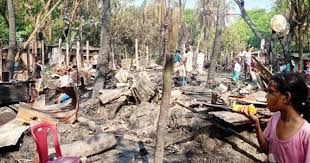
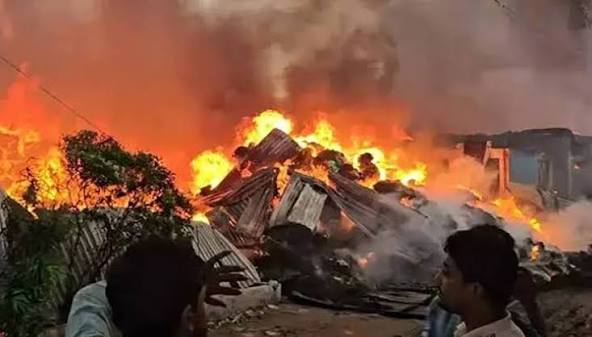
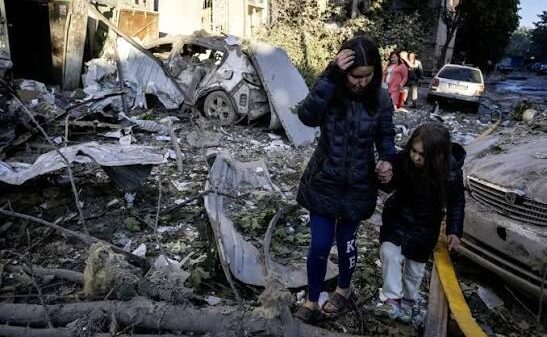
Land disputes carry serious and far-reaching consequences for individuals, communities, and the nation. In many cases, conflicts escalate into violence, leading to injuries or even loss of lives among rival claimants. These disputes also cause significant damage to property, including homes, crops, and valua-ble resources, leaving families financially devastated.
Beyond the physical impact, land conflicts often result in the breakdown of community relations. Long-standing tensions between neighbours, relatives, or local groups weaken social cohesion and create an environment of mistrust. Economically, land disputes contribute to loss of productivity and investment, as contested land remains unused or underutilized, and families spend substantial time and resources on legal battles instead of income-generating activities.
Overall, the consequences of land disputes extend far beyond the immediate conflict, affecting social stability, economic development, and the rule of law.
Effective resolution and prevention of land disputes require a combination of legal, administrative, and community-based reforms. Strengthening land administration systems is essential, including digitizing land records, updating surveys, and ensuring secure, transparent registration and mutation processes. These measures help establish clear ownership and reduce opportunities for fraud.
Improving governance and accountability within land offices is also crucial. Strict monitoring, anti-corruption safeguards, and disciplinary action against irregular practices can significantly reduce ma-nipulation of documents and abuse of authority. Alongside this, the establishment of specialized land tribunals or fast-track courts can ensure timely and efficient resolution of disputes.
Community-level approaches, such as mediation and local dispute-resolution mechanisms, can help ad-dress minor conflicts before they escalate. Public awareness campaigns on land rights, inheritance laws, and proper documentation also play a preventive role by empowering citizens.
Ultimately, a coordinated effort—combining modernized record-keeping, strong legal enforcement, transparent administration, and active community participation—is necessary to reduce land conflicts and promote long-term stability.Land conflicts will persist as long as land is treated as a tool of power rather than a shared right. When ownership becomes a means to dominate or control, disputes escalate, social harmony erodes, and violence takes root beneath the very soil we stand on. Sustainable peace and devel-opment require recognizing land as a collective resource, ensuring fair management, legal protection, and equitable access for all.