
































Staff Reporter:
The prices of essential commodities in Bangladesh continue to rise uncontrollably, leaving consumers with little relief in either wholesale or retail markets. The persistent surge in the cost of daily necessities is placing immense pressure on low- and middle-income families, many of whom are struggling to survive under the growing burden of inflation.
With household expenses rising far beyond limited incomes, many families are finding it increasingly difficult to maintain normal daily life. Prices of rice, eggs, edible oil, vegetables, fish, meat and LPG gas have all increased sharply in recent weeks, worsening the financial hardship faced by ordinary people.
As a result, many families are now cutting back on nutrition to reduce expenses, raising concerns among health experts about long-term malnutrition and related health risks.
According to market observations and Trading Corporation of Bangladesh (TCB) data, prices of several vegetables in Dhaka’s retail markets have increased by as much as 167 percent over the past three months. Meanwhile, the price of a 12kg LPG cylinder has risen by up to 43 percent.
Traders say rising fuel prices have significantly increased transportation costs, directly affecting commodity prices across the supply chain. Following a Tk15 hike in diesel prices per litre, truck fares reportedly increased by several thousand taka, pushing up costs from wholesale markets to retail shops.
Vegetable traders blamed rainfall-related supply disruptions and higher transport expenses for the continued price hikes despite increased seasonal production.
Economists and consumer rights activists stressed that effective market monitoring has now become essential. They called for reducing taxes and VAT on essential goods, expanding TCB and OMS operations, and curbing the influence of middlemen to stabilize the market.
They warned that without immediate intervention, food security and the living standards of low-income people could face even greater risks.
Inflation climbs above 9 percent again
After some fluctuations in recent months, inflation in Bangladesh has once again crossed the 9 percent mark, intensifying pressure on household budgets.
According to the latest Consumer Price Index (CPI) report published by the Bangladesh Bureau of Statistics (BBS), the country’s average inflation rate rose to 9.04 percent in April 2026, up from 8.71 percent in March.
The increase means that products or services which cost Tk100 a year ago now require more than Tk109 to purchase.
Analysts noted that inflation has hovered between 8 and 9 percent for several months, steadily reducing people’s real income and purchasing power. They emphasized the need for better fuel price management, stronger supply chains and stricter market oversight to bring inflation under control.
Sharp rise in commodity prices
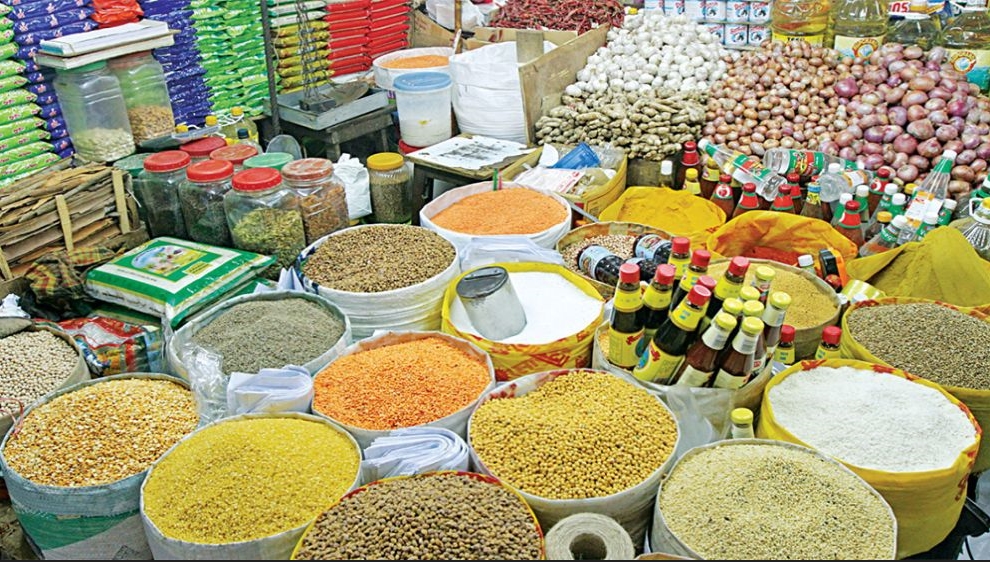
Retail market data show that raw papaya recorded one of the highest price hikes over the past three months, rising by up to 167 percent and selling at Tk80 to Tk100 per kilogram in different markets across the capital.
Eggplant prices increased by 60 to 100 percent depending on quality, reaching Tk80 to Tk120 per kilogram. Green bananas rose by around 50 percent, selling at Tk60 per four-piece bundle.
Farm egg prices, which remained relatively stable for months, also increased sharply. Compared to February, eggs are now selling at Tk140 to Tk145 per dozen, marking a 21 to 22 percent rise.
Loose sugar prices rose by up to 10 percent to Tk110 per kilogram, while bottled soybean oil climbed to Tk200 per litre. Open soybean oil is selling between Tk186 and Tk195 per litre.
Medium-quality rice prices also increased slightly, selling between Tk60 and Tk68 per kilogram.
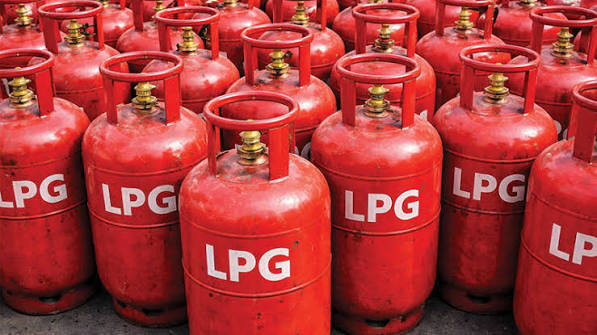
LPG prices have reached record levels. Although the government-fixed price for a 12kg cylinder stands at Tk1,940, consumers report paying an additional Tk200 to Tk300 in many markets.
Families forced to change eating habits
Residents say rising costs are forcing major lifestyle changes.
Ikramul Haque, a private sector employee living in Badda, said he had stopped buying popular fish varieties like Rui and Katla to reduce expenses.
“Living costs have risen so much that managing a family with my salary has become extremely difficult,” he told Kaler Kantho. “Every month I end up owing money at grocery stores. I can no longer afford occasional family outings or better meals for my children.”
Experts call for urgent action
Vice-President of the Consumers Association of Bangladesh (CAB) SM Nazer Hossain said the combination of higher fuel prices, transport costs, regional conflict and recent floods in Sunamganj had triggered abnormal price hikes in essential commodities.
He warned that expanding VAT collection to rural areas could further increase the burden on consumers.
“Whatever additional costs businesses bear — whether VAT, taxes, bank interest or political extortion — are ultimately passed on to consumers,” he said. “Yet consumers receive almost no protection.”
Nazer Hossain urged the government to strengthen social safety programs, expand TCB card coverage, reduce import duties on essential commodities and intensify market monitoring to control syndicates, hoarding and extortion.
He also called for stronger and politically independent roles for regulatory bodies, including the Directorate of National Consumer Rights Protection, the Bangladesh Competition Commission and the Bangladesh Standards and Testing Institution (BSTI).
Former chief economist of Bangladesh Bank Dr Mustafa K Mujeri said food inflation remains the biggest challenge.
“Even if statistical inflation falls slightly, people’s purchasing power continues to shrink in reality,” he said. “Transparency in market management is essential. Monopoly control at the wholesale level must be broken, import duties on food reduced and direct agricultural marketing channels strengthened. Otherwise, food prices will remain beyond the reach of ordinary people.”