





















Staff Reporter:
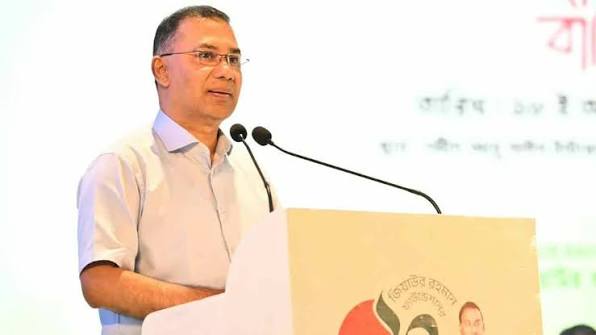
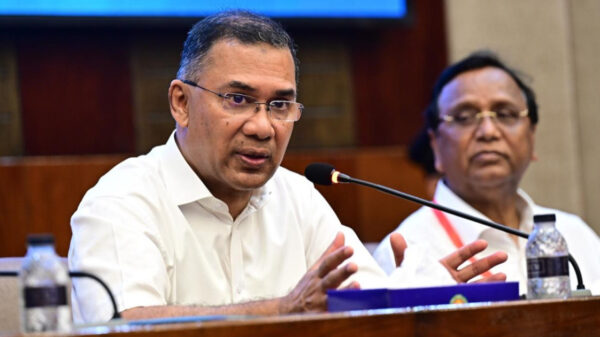
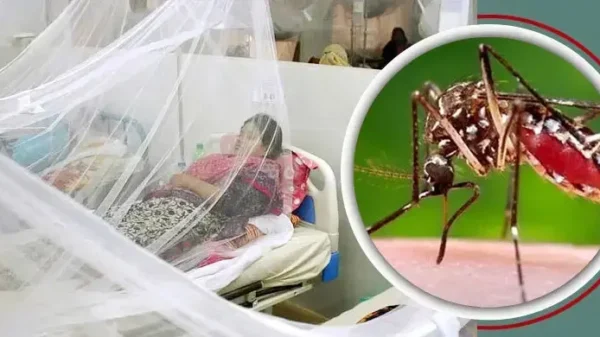
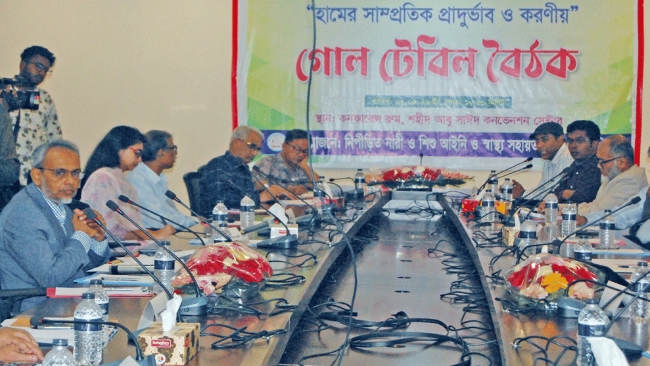
A roundtable discussion titled “Recent Measles Outbreak and the Way Forward” was held at the Shaheed Abu Sayeed Convention Center in the capital to discuss the recent rise in measles cases and possible preventive measures.
The meeting was organised by the Legal and Health Support Cell for Oppressed Women and Children and brought together prominent physicians, public health experts, policymakers, media professionals, and representatives of international organisations.
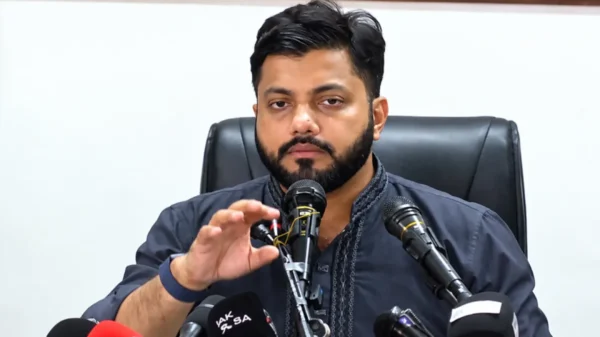
The session was moderated by Dr Md Rafiqul Islam, central coordinator of the organising body and health affairs secretary of the Bangladesh Nationalist Party (BNP).
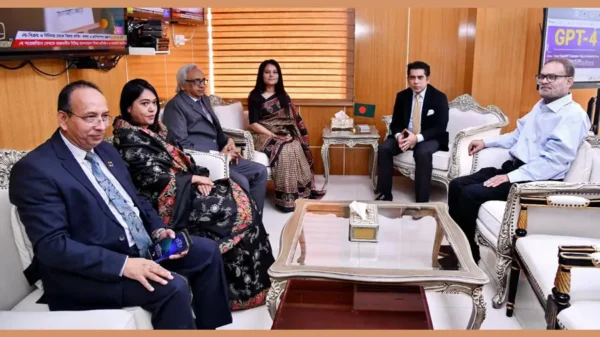
Among the notable participants were University Grants Commission (UGC) Chairman Prof Dr Mamun Ahmed, Director General of the Directorate of Medical Education Prof Dr Nazmul Hossain, Additional Director General Prof Rubina Yasmin, Additional Director General of the Directorate General of Health Services Prof Dr Fowara Tasnim, child specialist Prof Dr Md Hanif, President of the Obstetrical and Gynaecological Society of Bangladesh (OGSB) Prof Dr Firoza Begum, Editor-in-Chief of Daily Bangla Vision Abdul Hai Siddique, Associate Editor of Prothom Alo and noted writer Anisul Hoque, researcher and political figure Dr Tasnim Zara, Dean of the Paediatrics Department at Bangladesh Medical University Prof Dr Md Atiar Rahman, Prof Dr Yamin Shahriar Chowdhury, WHO representative Dr Touhid Islam, BMU Registrar Prof Dr Md Nazrul Islam, Chairman of the Anaesthesiology Department Prof Dr Md Mostafa Kamal, Virology Professor Dr Saif Ullah Munshi, child specialist Prof Dr Md Abid Hossain Molla, former EPI Programme Manager Dr Md Tajul Islam A Bari, WHO Surveillance Officer Md Arifur Rahman, Daily Kalbela Health Editor Rashed Rabbi, UNICEF representative Dr Hasanuzzaman, journalist Shishir Moral of Prothom Alo, Member Secretary of Shushasthyer Bangladesh Dr Shamim Talukder, and Professor Dr Saklayen Russell, among others.
Speakers highlighted the key challenges in controlling the recent measles outbreak in Bangladesh. They emphasised the need to strengthen immunisation programmes, raise public awareness, improve access to healthcare services, and take coordinated initiatives to address the situation effectively.
The participants also stressed the importance of research to determine whether the outbreak is linked to any new virus mutations. They discussed the effective use of social media and mass media platforms to increase public awareness and preventive practices.
In the presence of senior officials from the Directorate General of Health Services, several recommendations were presented to address the current situation and prevent similar outbreaks in the future. It was also decided that the key discussion points and recommendations from the meeting would be communicated to the health ministry and the government.
Participants thanked the organisers for arranging such a timely discussion and called for the continuation of similar initiatives to address important public health issues in the country.