









Staff Reporter:
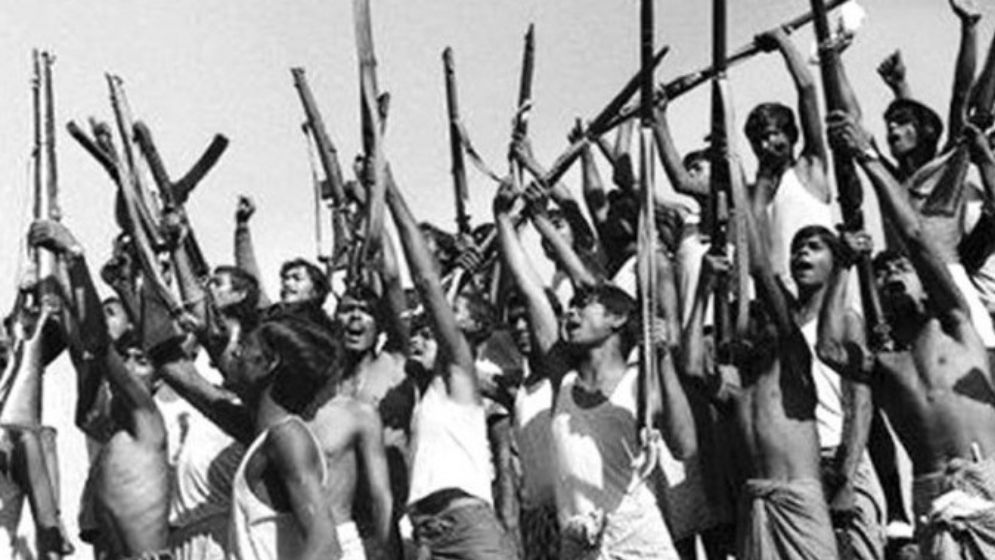
Whenever the song “Ek sagar rokter binimoye…” plays, a unique shiver runs through the hearts of Bangladeshis. The lyrics “We shall never forget you” echo from the depths of the soul.
However, 53 years later, this respectful emotion has suffered a violent blow. The party that once led the Liberation War eventually turned authoritarian, sheltering corrupt forces to retain power.
This led to the mass uprising on 5 August 2024, which not only toppled the regime but also plunged the nation’s freedom fighters into their darkest days.
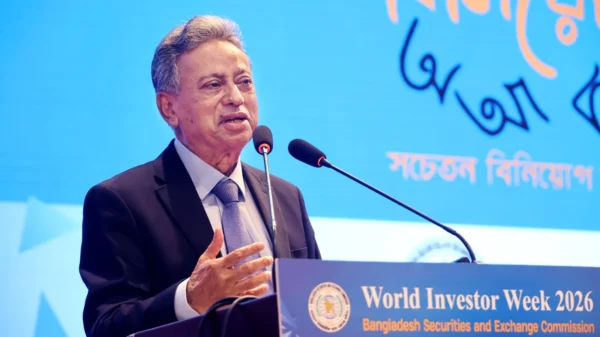
On 8 August 2024, an interim government took office under Nobel Laureate Professor Muhammad Yunus. While in New York on 24 September, Dr Yunus described the uprising as a “meticulous design,” introducing student leader Mahfuz Alam as one of its “masterminds.” The following month, during an interview with Voice of America, he mentioned pressing a “reset button,” implying that the nation’s past had been erased.
These statements, interpreted by many as an attempt to delete the history of the Liberation War, sparked fierce criticism. Despite clarifications from the Chief Adviser’s press wing, a wave of violence against veterans began. On 4 December in Cumilla, a valiant freedom fighter suffered a heinous assault.
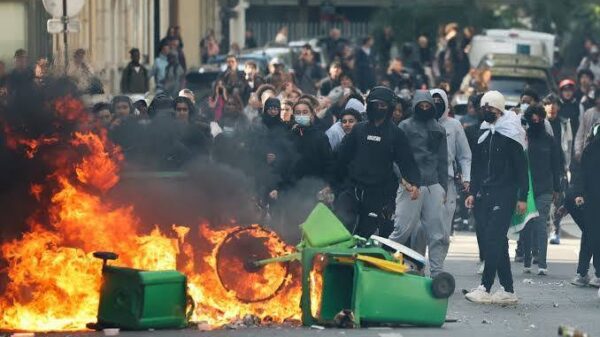
Over the next 18 months of the Yunus administration, a series of murders, tortures, and humiliations targeted veterans. Nationwide, perpetrators destroyed Liberation War sculptures, including nearly 300 statues in Meherpur’s Mujibnagar and the historic Dhanmondi 32 residence.
Qualitative Shift in Persecution
An investigation reveals a chilling pattern. While isolated incidents of veteran harassment occurred between 2014 and 2023 under the previous Awami League regime—mostly linked to local disputes or elections—the persecution during the interim government’s tenure changed fundamentally.
Veterans report that attackers targeted them specifically because of their status as freedom fighters. “They tried to make us feel as if liberating the country was a crime,” one veteran remarked.
Data shows that from 2014 to 2023, approximately 35 incidents occurred, resulting in nine deaths. In contrast, during just 18 months of the interim administration, 25 targeted attacks took place, claiming two lives and injuring at least 14 veterans.
Brutal Murders and Public Shaming
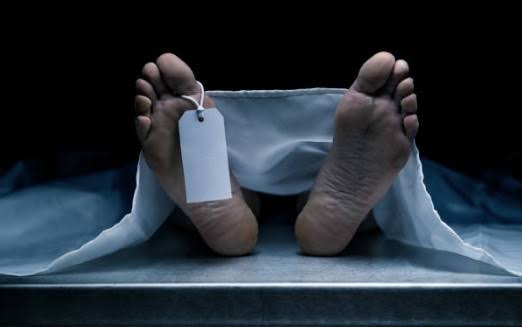
In a gruesome incident on 7 December 2025, authorities recovered the bodies of 75-year-old freedom fighter Jogesh Chandra Roy and his wife, Suborna Roy, from their home in Taraganj, Rangpur. Both had been hacked to death. Although police arrested a tiles worker, locals suspect a planned assassination aimed at destabilising law and order.
Perhaps the most shocking incident occurred on 22 December 2024 in Cumilla. Attackers beat veteran Abdul Hai Kanu and publicly paraded him with a garland of shoes around his neck. Despite a case being filed, the primary accused, Ismail Hossain Majumdar, secured bail within eight days.
Kanu has since fled his village in fear. His son, Golam Mostafa Bhuiyan Biplob, told reporters, “My father never compromised with anti-liberation forces. For that, they humiliated him in the worst possible way. Our family is still traumatised.”
Nationwide Attacks on Sun Sons
The violence spanned several districts:
Tangail: On 6 September 2025, a masked gang attacked the residence of the legendary veteran Bongobir Kader Siddiqui, smashing his vehicles while he slept inside.
Dinajpur: Veteran Mohammad Sharif Uddin Sarkar died on 6 August 2025, after succumbing to injuries sustained during an ambush while he was walking to a mosque for morning prayers.
Narayanganj: On 22 December 2024, terrorists attacked the home of veteran ABM Shamsul Alam after he refused to pay extortion money. “We fought for the country, but now terrorists hold more value than we do,” he lamented.
Chapainawabganj: On 26 April 2025, a former MP and Jamaat-e-Islami leader publicly insulted veteran Tarikul Alam during a speech, forcing him to stop talking when he mentioned the 1971 war.
A Legacy Under Threat
Other incidents include the arrest of 72-year-old veteran Ayub Khan in a case where his age was falsely recorded as 32, and the public assault of veteran Abdur Rashid Mia in Barguna, where a youth slapped him and labeled him a “fake freedom fighter.”
While the interim government eventually handed over power to an elected government following public pressure, the scars of these 18 months remain.
As Prime Minister Tarique Rahman, the successor of Major Ziaur Rahman, noted in a recent message: “The genocide of 25 March was a planned massacre. We must strive to repay the sacrifice of the martyrs by establishing equality and social justice.”
Analysts warn that the nation must remain vigilant against anti-liberation forces. As the investigation concludes, the sentiment among veterans is clear: they did not fight for a Bangladesh where they would eventually have to live in hiding.