






























Staff Reporter:
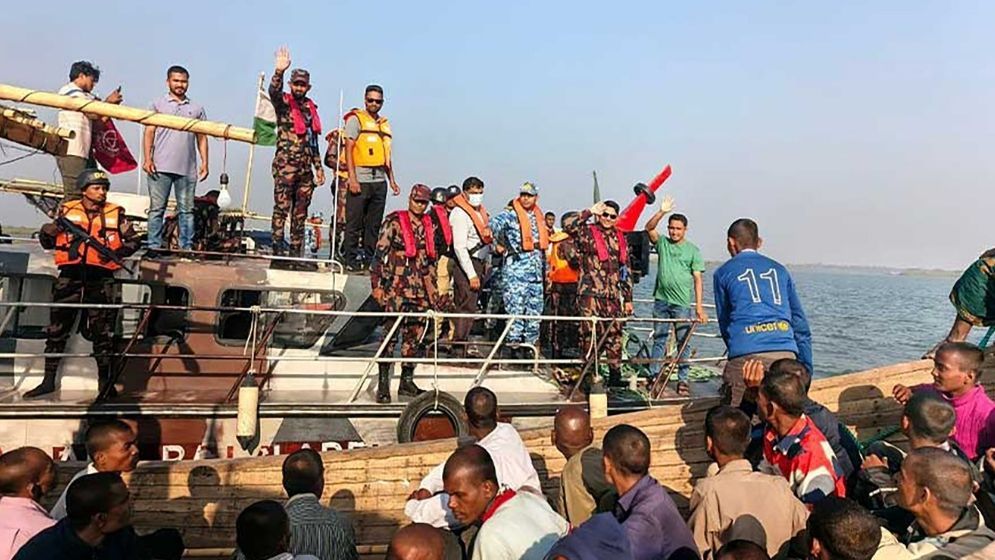
In the early weeks of 2026, an event along the Bangladesh–Myanmar border pierced the otherwise bleak regional narrative. Seventy-three Bangladeshi fishermen, detained over the past two years by the Arakan Army (AA) for fishing in Rakhine State’s territorial waters, were formally released and handed over to the Border Guard Bangladesh (BGB).
This was no clandestine handover in the dead of night; it was a procedural transfer marked by official documentation, religious pledges, and coordination between the BGB and the de facto rulers of Rakhine. While the return of these men is a significant humanitarian relief, the event also serves as “proof of concept” for something much larger. It signals that even in the vacuum left by the collapse of Myanmar’s central military authority, a new form of state-like border management is emerging.
A frontier transformed by war
For decades, both Dhaka and Naypyitaw treated the border as a troublesome periphery. That era is over. Since late 2023, Rakhine has been engulfed in intense armed conflict. The AA has effectively dismantled the Myanmar military’s presence along the 271km land border and key maritime zones.
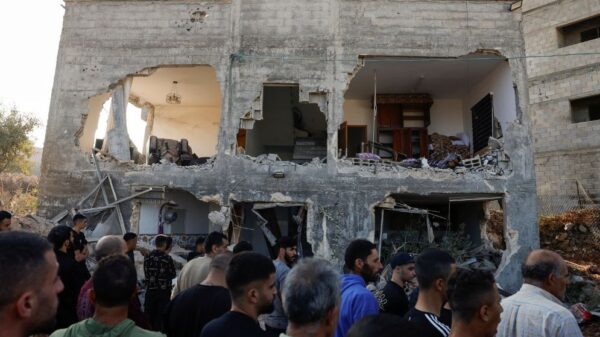
As territorial control shifted, so did the strategic calculus. The junta’s reliance on relentless airstrikes epitomised by the tragic bombing of the Mrauk-U General Hospital in late 2025 has made border stability a matter of civilian survival. And for Bangladesh, Rakhine is no longer a neighbour’s internal mess; it is a frontline whose stability directly dictates Bangladesh’s national security, its refugee policy, and its regional economic ambitions.
Pragmatism over formal recognition
The recent exchange of diplomatic signals carries immense symbolic weight. A congratulatory letter sent by AA Commander-in-Chief Tun Myat Naing (Twan Mrat Naing) to Bangladesh’s newly appointed Foreign Minister Khalilur Rahman marked a rare instance of direct communication with Dhaka’s foreign policy establishment. By expressing hope for “practical and sustainable solutions” and a “strategic partnership,” the AA is positioning itself as a responsible regional actor.
This is a delicate dance for Dhaka, which has made it clear that these communications do not constitute formal diplomatic recognition. Instead, political realism has taken centre stage: you cannot manage a border by talking to a military junta in Naypyitaw that no longer stands on that border. Engagement is not political endorsement but a necessity driven by the need to manage border security and maintain humanitarian coordination.
Blueprint for a strategic corridor
The handover of the 73 fishermen illustrates functional cooperation—the ability to resolve practical disputes even amid armed conflict. Fishing disputes along the Naf River intersect with livelihoods and sovereignty, so by processing these through formal channels, the AA signalled willingness to manage friction through procedure rather than confrontation.
But the most transformative potential lies in moving beyond crisis management toward a regulated “strategic corridor.” The border economy remains in a state of arrested development, with the Kanyinchaung Economic Zone and Maungdaw trade points shadows of their former selves.
But the logic of their revival is clear. For Rakhine, struggling under a total blockade by the Myanmar military, Bangladesh is a literal lifeline. Access to fuel, medicine, and consumer goods via the Naf River is shorter and more logical than any route from central Myanmar. And for Bangladesh, a stable Rakhine represents a massive market for construction materials, agricultural technology and pharmaceuticals. Furthermore, formalising trade is the only “silver bullet” to dismantle the illicit drug smuggling networks that thrive when legal routes are closed.
Security as foundation
Trade cannot exist without predictability. The Maungdaw frontier remains a patchwork of interests where rogue armed groups like the Arakan Rohingya Salvation Army (ARSA) and Rohingya Solidarity Organisation (RSO) exploit the friction between authorities. To shift from conflict to cooperation, a four-pillar security architecture is required.
Direct de-escalation channels, like a hotline between the BGB and the AA, must to ensure that minor disputes do not spiral into crises. Maritime governance must replace the cycle of arrest and release with a seasonal licensing system and shared boundary understandings. Intelligence sharing should enable parallel enforcement against third-party militant groups that threaten regional stability. And joint monitoring of cargo flows must ensure that the economic corridor does not become a drug highway.
The Muslim/Rohingya litmus test
The elephant in the room remains the 1.3 million Rohingya Muslim refugees in Bangladesh’s Cox’s Bazar. Repatriation has been a word without a home for years, stalled by conflict and fragmented authority. Now the emerging AA administration has a unique opportunity to prove its governance credentials.
By ensuring the safety of the Muslim communities remaining in Rakhine and engaging in transparent, voluntary repatriation discussions, the AA leadership can earn the international legitimacy it seeks. For Bangladesh, any long-term partnership is conditional on a viable future for the displaced. Without addressing this human rights crisis, the border will remain a site of “managed misery” rather than shared prosperity.
The path ahead
This transition to a strategic corridor will not happen overnight. It requires the courage to engage in functional diplomacy to fix the things that matter today while the larger political questions of tomorrow are being debated. For the millions of civilians on both sides of the Naf River, this fragile opening is the first real hope for stability in a generation. Necessity has brought the two sides to the table; only sustained communication, transparency, and a commitment to civilian protection will keep them there.