















Staff reporter:
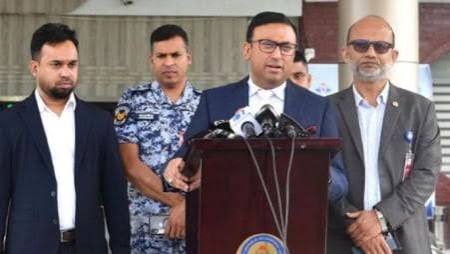
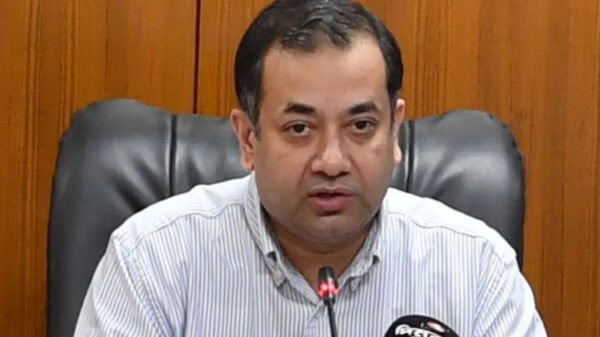
State Minister for Foreign Affairs Humaiun Kobir yesterday said India must hand over former prime minister Sheikh Hasina under the bilateral extradition treaty and that she would be brought back in handcuffs or under strict surveillance.
He made the remarks while responding to a question from reporters about comments by India’s Ministry of External Affairs spokesperson, who had drawn a distinction between a voluntary return and extradition under the treaty.
“Under the extradition treaty she has to be handed over,” Humaiun said.
Asked whether Dhaka and New Delhi were holding talks on the matter, the state minister said Bangladesh had submitted its extradition request. He gave no details on the status of the request.
Humaiun dismissed speculation that Hasina would return on December 16, saying any return would take place through extradition.
“This is the only way she can come back,” he said.
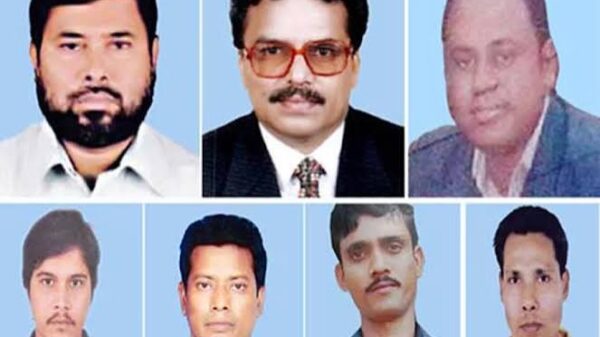
The state minister said Bangladesh also wanted India to hand over individuals accused of involvement in the killing of Sharif Osman Hadi.
Humaiun said Hasina had lost her political relevance and alleged that she had shown no remorse over the deaths for which he held her responsible. He also accused members of her family and political associates of looting and committing acts of violence.
Responding to a separate question about remarks by politicians in India’s West Bengal state, Humaiun said Dhaka would address bilateral matters directly with India’s central government.
On trade with the United States, the state minister said tariffs were a central part of the Trump administration’s agenda and that Bangladesh would raise its objections to provisions it considered unjustified in talks with
Washington.
“Of course, we have reservations, and we will talk and negotiate with them,” he said.
Humaiun cited Bangladesh’s use of US cotton to make products for export to the American market as an example of an issue Dhaka could raise in tariff talks.
He said a public hearing scheduled for January 26 would give Bangladesh an opportunity to present its case, adding that the US tariff policy affected several countries.
The Office of the United States Trade Representative (USTR) determined that certain practices in 14 economies, including Bangladesh, that create or sustain excess production capacity were unreasonable and burdened or restricted US commerce.