























Commerce reporter:
Fiji could emerge as a promising new destination for Bangladesh’s readymade garments (RMG), jute products and skilled manpower, while offering investment opportunities for Bangladeshi entrepreneurs in agriculture, fisheries and food processing sectors.
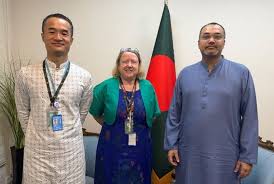
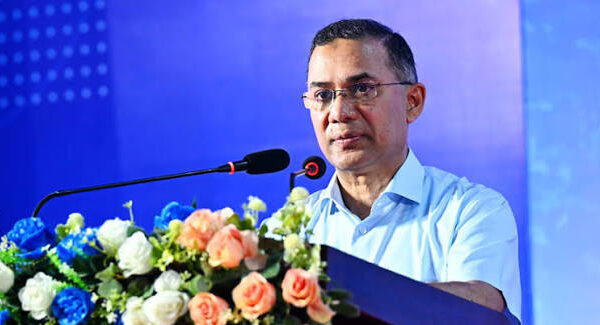
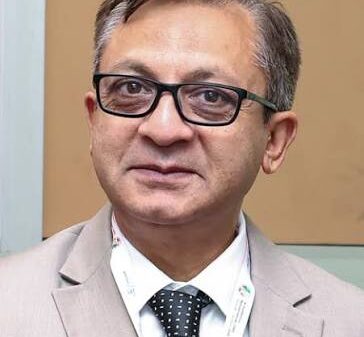
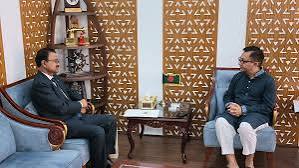
The prospects were discussed at a meeting between Commerce Minister Khandakar Abdul Muktadir and Fiji’s Non-Resident High Commissioner to Bangladesh Jagannath Sami at the Ministry of Commerce here today, said a press release.
During the meeting, the Fijian High Commissioner said the island nation, with a population of around 930,000, receives more than one million tourists annually.
He said Fiji imports nearly 50 percent of its food requirements to meet the demand of its tourism and hospitality industries, creating significant opportunities for Bangladeshi investors in fruit and vegetable production, food processing and fisheries.
The High Commissioner also highlighted Fiji’s potential as an investment destination, saying investments in the country could provide opportunities for duty-free or preferential access to markets in Australia, New Zealand, the United States and Canada.
He added that Fiji offers tax holiday facilities to foreign investors.
With growing demand for environmentally friendly alternatives to plastic products, Bangladesh also has considerable potential to export jute-based products and bags to Fiji, he said.
The meeting also highlighted opportunities for exporting skilled and semi-skilled workers from Bangladesh to Fiji.
The High Commissioner said Fiji was facing a shortage of skilled and semi-skilled workers as many of its skilled workforce members were moving to Australia and New Zealand in search of better employment opportunities.
He said the process of finalising a Memorandum of Understanding (MoU) on labour mobility between the countries was at an advanced stage.
Fiji is also positive about allowing family members of Bangladeshi workers to accompany them and reside in the country, he added.
During the meeting, Muktadir proposed strengthening business-to-business (B2B) contacts between the countries through closer links between their respective chambers of commerce and the organisation of business meetings.
Both sides also agreed on the need to establish a Joint Trade Commission or sign a trade-related MoU to provide an institutional framework for expanding bilateral trade and investment relations.
Senior officials of the Ministry of Commerce were present at the meeting.