
























Commerce reporter:
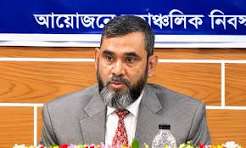
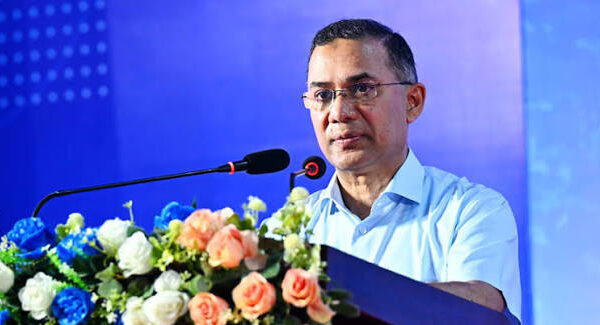
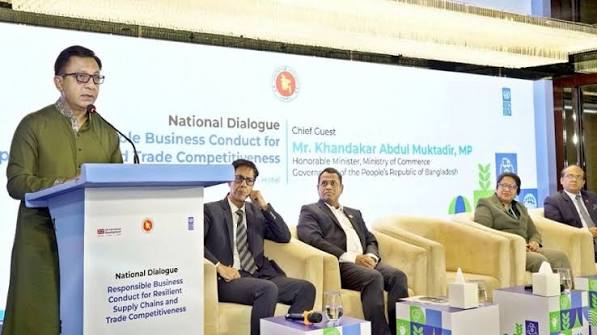
Commerce Minister Khandakar Abdul Muktadir has called for strengthening public-private partnerships to ensure compliance and enhance productivity keeping environmental sustainability to maintain the competitiveness of Bangladesh’s textile and garment industries in international markets.
He said factories must prepare from now on to meet the changing demands of international buyers and new commercial and environmental standards.
“So far, the achievements we have made are only our foundation, not the final destination. We must build on this foundation and move forward with industry owners, workers and stakeholders to develop a compliant and competitive textile sector,” he said.
The minister made the remarks as the chief guest at an event of the ‘Skills for Self-Monitoring and Compliance with Clean and Fair Production in the Textile Industry’ (SCAIP) project held at a hotel in Dhaka yesterday.
The Ministry of Commerce and SCAIP jointly organised the event, with support from the ‘Sustainability in Textile and Leather Industry’ (STILE II) project.
The commerce minister said the textile and garment sector accounts for more than 80 percent of the country’s total export earnings. The sector plays a significant role in the country’s industrial economy while providing employment to millions of people, particularly women.
He said international buyers and regulatory bodies now expect safe working conditions, fair labour practices, responsible use of resources and transparency in supply chains.
Factories must particularly build their capacity to comply with the European Union’s (EU) new policies and regulations. Compliance must be considered an integral part of trade strategy, he added.
Highlighting government initiatives to ensure a business-friendly environment, he said the government was working to set policy priorities, simplify procedures, reduce logistics costs and expedite licensing, compliance and port-related approvals.
He further said Bangladesh must utilise the extended period until 2029 for its preparation to graduate from the Least Developed Country (LDC) category to retain existing benefits in international markets and prepare industries to meet new standards.
Under the SCAIP project, emphasis has been placed on strengthening factory-level self-monitoring systems to ensure efficient use of water, energy and chemicals. This will help reduce environmental pollution as well as production and operating costs.
The event also reviewed initiatives related to the Bangladesh Boiler Code, digital inspection systems, online monitoring of Effluent Treatment Plants (ETPs), digital environmental clearances, traceability strategies and developing a data ecosystem suitable for Digital Product Passports.
Participants at the discussion said public-private partnerships were essential to developing a safe, environmentally friendly and internationally compliant industrial sector. They stressed that compliance should be turned into a tool for increasing productivity and export capacity by ensuring the responsibilities and accountability of all relevant stakeholders.
The SCAIP and STILE II projects are being implemented through the German development agency (GIZ) with funding from the German Federal Ministry for Economic Cooperation and Development (BMZ).
The Ministry of Commerce is the sponsoring ministry of the SCAIP project, while the Export Promotion Bureau (EPB) is its implementing partner. The project is supporting the capacity development of the RMG Sustainability Council (RSC) to monitor safety, labour and environmental standards in the textile sector.
German Ambassador to Bangladesh Dr. Rüdiger Lotz, GIZ Country Director Marc Gombert, senior officials from different ministries, representatives of the RSC, leaders of the Bangladesh Garment Manufacturers and Exporters Association (BGMEA) and the Bangladesh Knitwear Manufacturers and Exporters Association (BKMEA), and representatives of workers’ organisations, international buyer brands and development partners attended the event.