
















Staff Reporter:
The government is devising a new national visa policy by amending the existing one introduced in 2006 to attract greater foreign direct investment (FDI), skilled international professionals and tourists, as Bangladesh prepares for its transition from a Least Developed Country (LDC) to a developing nation.
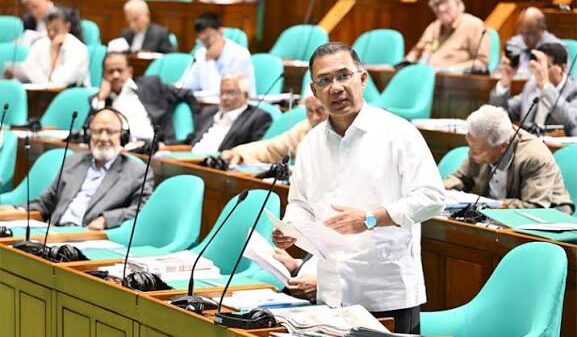
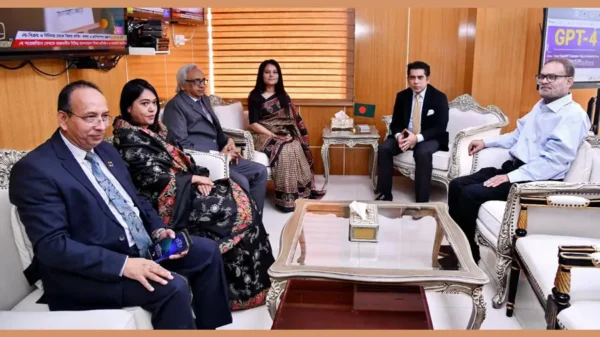
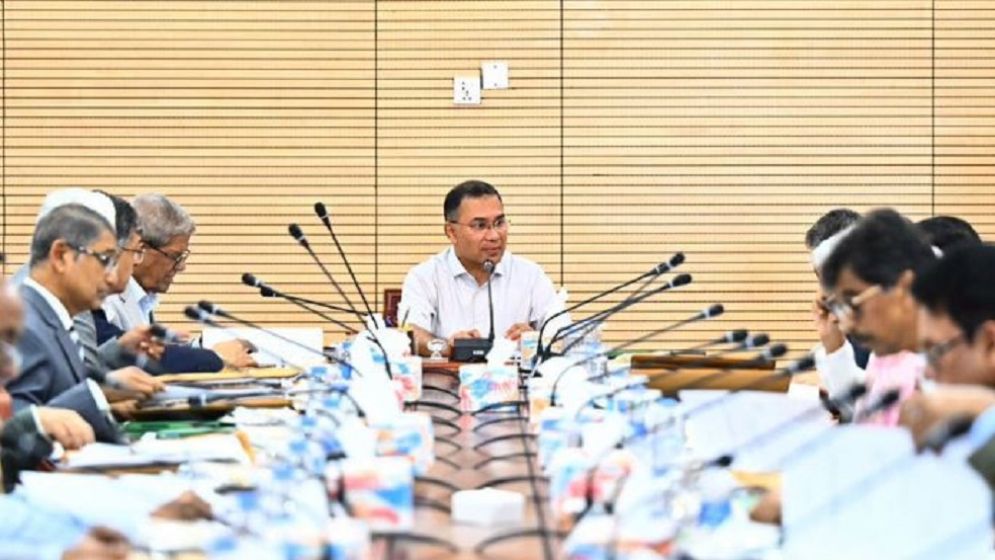
A draft of the proposed Visa Policy 2026 was placed at a meeting of the cabinet chaired by the Prime Minister Tarique Rahman on Thursday (2 July).
According to officials familiar with the proposal, the new policy seeks to modernise Bangladesh’s visa framework by simplifying procedures for investors, entrepreneurs, technology experts and highly skilled professionals while introducing a reciprocal approach to visa issuance.
Focus on investment and economic diversification
Officials said the proposed policy is designed to make Bangladesh a more attractive destination for global investors by reducing bureaucratic barriers that have long been viewed as obstacles to doing business.
The reforms are expected to facilitate the entry and long-term stay of foreign investors, technical experts and professionals working in sectors such as high technology, artificial intelligence, semiconductor manufacturing, software development and innovation.
The initiative comes as Bangladesh prepares to graduate from LDC status, a transition that will gradually reduce preferential trade benefits in international markets and increase the need to diversify the country’s export base beyond the ready-made garments (RMG) sector.
Economists have repeatedly stressed that attracting higher levels of foreign investment will be essential to sustaining economic growth after LDC graduation.
Long-term visas for global talent
The proposed policy also seeks to create a more business-friendly environment by allowing foreign specialists and executives to obtain longer-term visas, reducing the need for frequent renewals.
Officials believe this would encourage multinational companies to establish regional operations and advanced manufacturing facilities in Bangladesh by making it easier for their technical personnel to work in the country.
The reforms are also expected to support the government’s broader goal of positioning Bangladesh as a regional destination for technology-driven industries and knowledge-based investment.
Reciprocal visa policy under consideration
One of the key features of the draft policy is the proposed introduction of a reciprocity principle in visa processing.
Under the proposal, Bangladesh would consider extending similar visa facilities to citizens of countries that offer convenient and favourable visa access to Bangladeshi nationals.
Officials said the move reflects an effort to establish a more balanced and mutually respectful visa regime while strengthening Bangladesh’s diplomatic standing.
The government also hopes the new visa framework will boost Bangladesh’s tourism industry by making travel more convenient for international visitors.
The draft reportedly includes provisions for expanding e-visa services and introducing a fully digital immigration system to simplify entry procedures at airports and other ports of entry.
Tourism experts believe easier visa procedures could help attract more foreign visitors to destinations such as Cox’s Bazar, the Sundarbans, Sylhet and other tourist attractions, generating additional foreign currency earnings and supporting economic growth.
Challenges remain
Despite the proposed reforms, analysts say improvements in visa policy alone will not be sufficient to attract significant foreign investment.
They emphasise that Bangladesh must also improve the overall ease of doing business by ensuring reliable infrastructure, uninterrupted power and gas supplies, policy consistency, administrative efficiency and greater transparency.
Experts also noted that successful implementation would require close coordination among the Ministry of Home Affairs, Ministry of Foreign Affairs, immigration authorities and relevant security agencies to ensure faster and more efficient visa processing.
Draft under review
The proposed visa policy is currently under review by a government committee led by Finance Minister Amir Khosru Mahmud Chowdhury, which is expected to consult relevant stakeholders before finalising the draft.
If approved, the new policy would represent one of Bangladesh’s most significant visa reforms in recent years, aligning the country’s immigration framework with its broader goals of attracting global investment, expanding tourism and strengthening its position in the international economy.
Officials said the initiative also reflects the government’s vision of opening Bangladesh further to international business and talent while safeguarding national interests and maintaining the country’s sovereignty.