
































Commerce reporter:
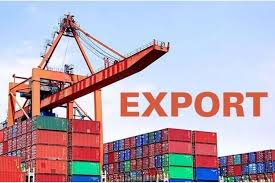
Bangladesh’s merchandise export earnings increased by six percent to US$17.04 billion in the July-October period of 2026, up from $16.08 billion in the corresponding period of the previous year.
According to Bangladesh Bank’s product-wise export statistics, the country earned an additional $960 million during the four-month period, with the readymade garment (RMG) sector accounting for the bulk of the growth.
Knitwear exports rose by seven percent to $7.71 billion, while woven garment exports increased by 4.8 percent to $6 billion during the period.
Together, the two garment categories generated $13.71 billion, accounting for around 80.4 percent of the country’s total merchandise export earnings.
Beyond the RMG sector, several non-traditional export items also recorded notable growth.
Exports of jute and jute goods increased by 23.8 percent to $383 million while leather and leather products rose by 12.7 percent to $464 million, chemical products posted a 27.3 percent growth to $157 million, home textiles and footwear exports also increased by 7.4 percent and 9.7 percent to $263 million and $194 million respectively.
Among other products, exports of wigs and human hair recorded a significant growth of 86.4 percent to $94 million while ores, slag and ash increased by 63.7 percent to $26 million and carpet exports grew by 37 percent to $17 million.
However, some major export categories experienced declines during the period.
In addition, agricultural product exports fell by 13.5 percent to $325 million while exports of frozen and live fish declined by 10.9 percent to $152 million.
Besides, exports of cotton and cotton products including yarn, waste and fabrics dropped by 10.2 percent to $170 million while paper and paper products also recorded an 18.2 percent decline to $75 million.
The overall export performance reflects continued growth in the garment sector alongside expansion in several non-RMG industries, although declining exports in some product categories indicate the need to address sector-specific challenges.