
































Commerce reporter:
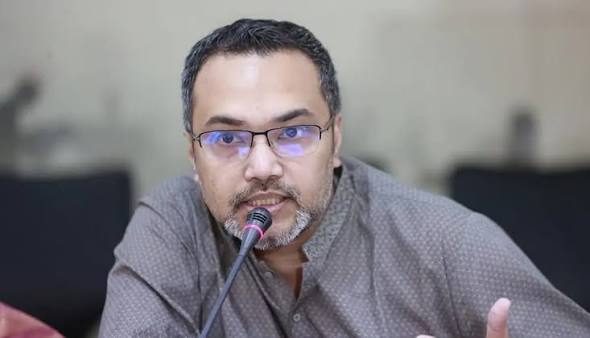
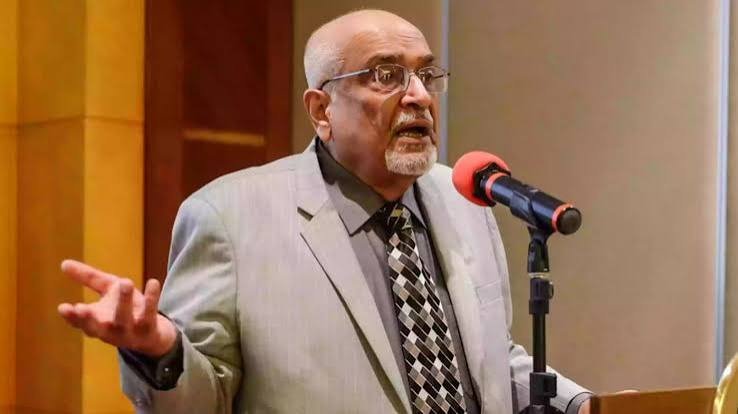
Distinguished Fellow of the Centre for Policy Dialogue (CPD) Dr Debapriya Bhattacharya today called for a broad-based, non-partisan political consensus among all political parties to ensure the implementation of Bangladesh’s commitments during the three-year extended transition period before its graduation from the Least Developed Country (LDC) category.
He said that fulfilling the commitments made at the international level would require dedicated political leadership and a shared national understanding that economic reforms must continue beyond political changes.
“This is an unprecedented opportunity to forge a non-partisan national consensus across political parties,” he said while responding to a question after presenting a keynote paper at a media dialogue titled “Bangladesh’s LDC Graduation: UN Decision and Our Observations” at the CPD office in the city.
Dr Debapriya warned that failure to honour the commitments on the basis of which Bangladesh secured the additional three-year transition period could seriously damage the country’s credibility as an international partner.
He said the consequences would extend beyond trade and economic relations, affecting Bangladesh’s ability to negotiate free trade agreements, attract foreign direct investment (FDI), pursue Rohingya repatriation and maintain its strategic role in ensuring peace and security in the Bay of Bengal.
“Fulfilling these commitments requires dedicated political leadership,” he said, stressing that the LDC transition agenda should be treated as a national priority rather than the programme of any particular political government.
The CPD distinguished fellow said the reform targets were closely aligned with political election manifestos, legal reforms, structural economic transformation and efforts to reduce socio-economic inequality.
He observed that implementing these commitments could provide political leadership with an opportunity to build public confidence through tangible economic and institutional reforms.
Dr Debapriya said the three-year transition period should be used to strengthen the country’s economic foundations, improve governance, ensure reliable national statistics and prepare domestic businesses for the challenges of operating without LDC-specific trade preferences.
He particularly stressed the need to ensure that small and medium-sized enterprises (SMEs) and other underrepresented economic actors were included in the policy-making process, as they would face significant challenges following graduation.
On international credibility, he said Bangladesh’s ability to honour its commitments would influence its negotiating position in future trade agreements and its capacity to mobilise international support on important national interests, including the safe and dignified repatriation of Rohingya refugees.
He also highlighted the importance of maintaining international partnerships to safeguard peace, stability and maritime security in the Bay of Bengal.
Warning against the consequences of political inaction, Dr Debapriya said failure to implement the necessary reforms during the extended transition period could push the country into a precarious economic situation.
He urged political leaders across the spectrum to seize the opportunity and establish a common national roadmap for a smooth and sustainable LDC graduation.
CPD Distinguished Fellow Professor Mustafizur Rahman, CPD Executive Director Dr Nazneen Ahmed and CPD Additional Director Towfiqul Islam Khan were present at the dialogue.