



























Staff Reporter:
Opposition lawmakers on Sunday have boycotted discussion on National Human Rights Commis-sion Bill, 2026, alleging that the government is pushing the legislation through a “one-sided” pro-cess by ignoring views of political parties, rights organizations and civil society.
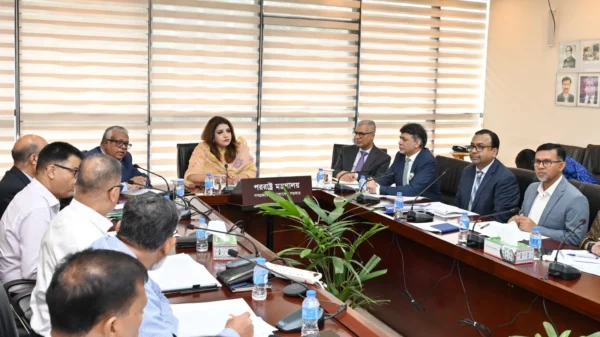
The opposition MPs boycotted the discussion on the Bill at a meeting of the Parliamentary Stand-ing Committee on the Ministry of Law, Justice and Parliamentary Affairs.
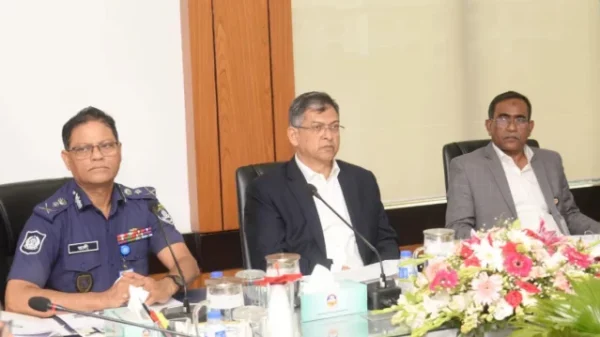
The committee held its third meeting at the Jatiya Sangsad Bhaban, with the Transfer of Property (Amendment) Bill, 2026 and the National Human Rights Commission Bill, 2026 on its agenda.
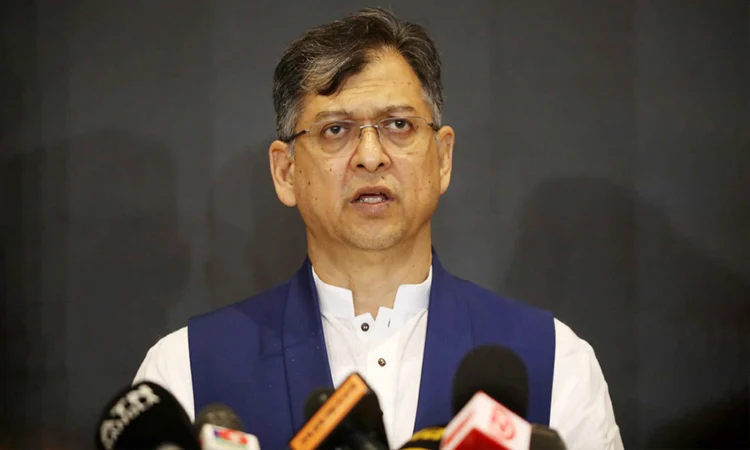
Jamaat-e-Islami parliamentary spokesperson Md Najibur Rahman said the opposition would not participate in any stage of the passage of the bill, which he described as inconsistent with interna-tional human rights conventions and aimed at weakening the National Human Rights Commission.
However, they participated in the discussion on the Property Transfer Bill at the same meeting.
Speaking to reporters at the tunnel of the Jatiya Sangsad Bhaban after leaving the meeting, Naji-bur Rahman said an initiative has been taken during the interim government to reform the law re-lating to human rights with the objective of strengthening the legal framework.
“But instead of strengthening the existing law, provisions have been included in the proposed bill to further weaken the National Human Rights Commission,” he alleged.
He also criticised the decision to ask the parliamentary committee to submit its report on the bill within only two working days.
“The hands and feet of the parliamentary standing committee have been tied before the bill is placed in Parliament. It has been asked to submit a report within just two days. This does not leave the committee members enough scope to express their independent opinions,” he said.
Najibur Rahman alleged that the committee has effectively been reduced to a “rubber stamp”, making it impossible for the opposition to remain involved in the process.
Calling the proposed legislation a “controversial” and “black law”, he said the bill did not provide adequate protection for citizens if their human rights were violated by law enforcement agencies.
He said the opposition believed parliamentary committees should have sufficient independence to scrutinise legislation and express their views freely.
Najibur Rahman further alleged that there were instances in the past when government lawmakers attempted to give independent opinions or submit notes of dissent in parliamentary committees, but were subsequently asked at the highest level of government to withdraw those notes.
“We consider this a process of parliamentary fascism,” he said.
He said turning parliamentary committees into rubber stamps is not good for democracy and could open the way for authoritarian practices.
The National Human Rights Commission Act was enacted in 2009.