
















Staff Reporter:
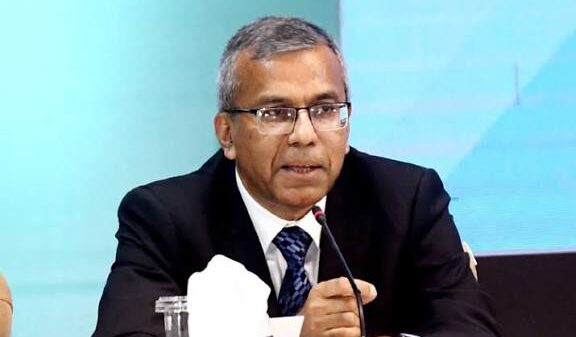
Cultural Affairs Minister Nitai Roy Chowdhury yesterday said the July Mass Uprising was not a sudden event but the ultimate outcome of an 18-year-long anti-fascist democratic movement.
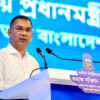
“The main objective of the July Mass Uprising Memorial Museum is to properly preserve the memories of the sacrifices of the martyrs’ families, their grief and the struggles of the people,” he said.
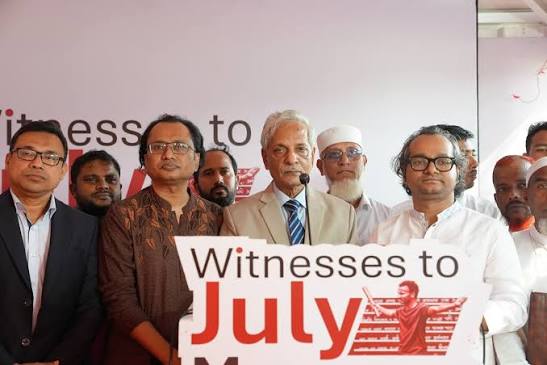
He made the remarks while addressing the inaugural ceremony of the two-day special exhibition titled “Witnesses to July Massacre Memorial Exhibition 2026” on the premises of the July Mass Uprising Memorial Museum in Sher-e-Bangla Nagar in the capital yesterday.
Cultural Affairs Adviser Dr Zahed Ur Rahman attended the program as a special guest, along with members of the martyrs’ families.
Nitai said the previous autocratic fascist forces had carried out enforced disappearances, killings, secret detention in Aynaghar, crossfire incidents and brutal torture in the country for nearly 18 years. They had destroyed all constitutional institutions and undermined the electoral system, remaining in power through elections without votes and votes cast at night, he added.
He said the movement, which began with young students demanding quota reforms, later brought together rickshaw pullers, workers, labourers and all anti-fascist political and social forces in a united struggle.
Even when lethal firearms were indiscriminately used against unarmed students and people, and people were killed by gunfire from helicopters, the protesters continued to make the ultimate sacrifice, he said.
Finally, on August 5, 2024, millions of people from all political affiliations, religions and communities took to the streets, leading to the fall of the fascist government and its subsequent flight, he added.
Recalling the sacrifices of the martyrs and the injured, the minister said that although official records put the number of martyrs at 856, the actual figure could be higher. Besides, 20,000 people were injured, many of whom lost their eyesight or became physically disabled. The grief of the martyrs’ families is the grief of the entire nation, he said.
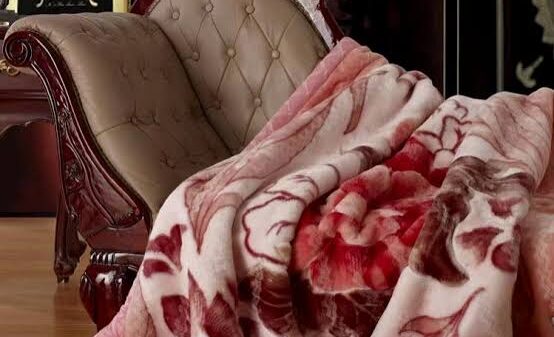
Highlighting the museum’s activities, he said around 1,800 memorabilia had already been collected. All additional memorabilia received in the future would also be collected and preserved in phases.
He said the museum was being expanded to arrange permanent displays of these relics at a spacious location so that future generations could learn about the true history of the uprising and the sacrifices of the martyrs.
Addressing the inaugural ceremony, Dr Zahed Ur Rahman said the grief and anguish of every martyr’s family were the same and all martyrs were equal in the eyes of the state. However, the museum’s existing space did not allow the memorabilia of all martyrs to be displayed simultaneously, he added.
He said the sacrifices of all martyrs of the July Mass Uprising would be recognised with equal dignity and their memorabilia would be displayed in the permanent museum in phases.
He also announced plans to introduce a rotational exhibition system to ensure that none of the collected memorabilia remained neglected.
He said a decision had been taken to designate at least two rooms in the museum for this purpose, where memorabilia belonging to different groups of martyrs would be displayed in rotation every 15 days or one month. This would provide an opportunity for the memorabilia of every martyr’s family to be displayed before visitors, he added.
He also sought everyone’s sincere cooperation and understanding to improve the museum’s management and expand its facilities.
Referring to the political situation, he said December was approaching and the ousted autocrat, who had fled the country, was now speaking from abroad about returning home. There was no possibility of their return, he said, adding that the humanitarian catastrophe and destruction they had caused would be kept alive in public memory through the museum and the exhibition so that people would reject them forever.
At the beginning of the program, Director General of the July Mass Uprising Memorial Museum Ehsan Mahmud outlined the museum’s activities and the background of the exhibition.
He said the museum was established to preserve and conduct research on the July Mass Uprising and the history of autocracy over the past one and a half decades. Responding to an open call for collecting memorabilia used by the martyrs, the museum had so far preserved mementoes belonging to 590 martyrs.