




















Staff Reporter:
UN Special Rapporteur Kelley E. Currie yesterday expressed hope that the International Court of Justice’s (ICJ) upcoming verdict on genocide against Myanmar’s Rohingya would acknowledge the atrocities and pave the way for justice and accountability.
She said the international community would have a responsibility to support the full implementation of the judgment if the court recognized the crimes committed against the Rohingya.
“We hope this verdict will recognize these crimes, call them by their right name and put us on the path towards justice,” she said.
“In that case, it will become the duty of all nations to support the full implementation of the judgment,” Currie added.
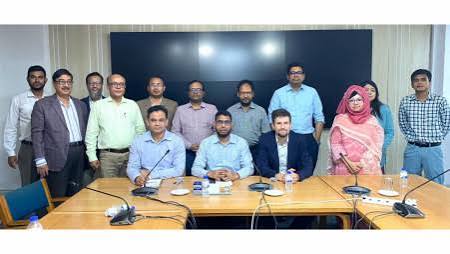
The UN Special Rapporteur on the situation of human rights in Myanmar made the remarks at a media briefing at UN House in Gulshan, concluding her official visit to Bangladesh from November 11 to 18.
Her comments came ahead of the ICJ’s much-awaited November 19 judgment in the landmark genocide case brought by The Gambia against Myanmar over atrocities committed against the Rohingya minority.
Currie described the impending ruling as a potentially historic moment for the Rohingya, Myanmar and the international community.
“November 19th will be an important moment for the Rohingya people, the nation of Myanmar, and the international community as a whole,” she said.
The UN expert said too many perpetrators had escaped accountability and too many victims had been denied justice since the adoption of the Genocide Convention in 1948.
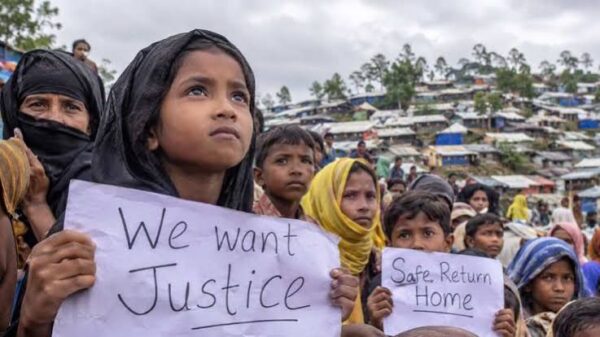
She said atrocities against the Rohingya, including dispossession, denial of identity, forced displacement, torture, sexual violence and murder, neither began nor ended in 2017.
“This decision represents a potential step away from that impunity and a potential step towards accountability for the perpetrators and justice for the survivors and the victims,” she said.
Currie acknowledged that the judgment might not fully meet survivors’ expectations but said the proceedings had already demonstrated their determination to pursue justice.
“Regardless of the outcome, these survivors, their community and their supporters around the world will never stop demanding justice and fighting for an end to impunity. I stand with them,” she said.
ICJ verdict and background
The ICJ, the United Nations’ principal judicial organ based in The Hague, is scheduled to deliver its judgment on Thursday, November 19, in the case formally titled Application of the Convention on the Prevention and Punishment of the Crime of Genocide (The Gambia v. Myanmar).
The Gambia instituted proceedings against Myanmar on November 11, 2019, with backing from the Organisation of Islamic Cooperation (OIC), alleging violations of the 1948 Genocide Convention.
The case followed Myanmar military operations in Rakhine State in 2016 and 2017 involving allegations of mass killings, widespread sexual violence, destruction of villages and forced displacement.
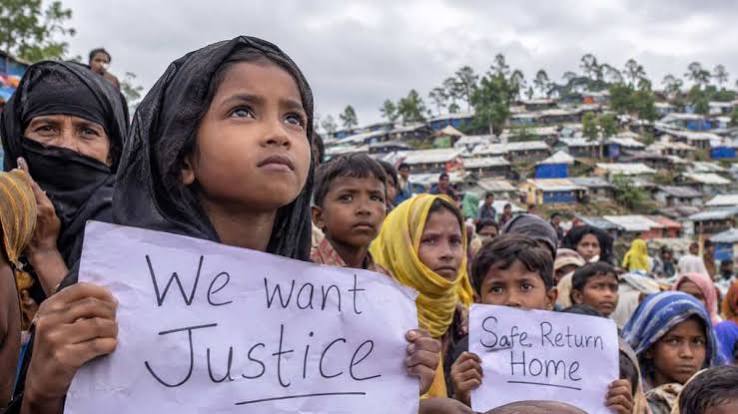
More than 700,000 Rohingya fled to Bangladesh following the August 2017 military crackdown, joining earlier waves of forcefully displaced people from Myanmar.
In January 2020, the ICJ ordered provisional measures requiring Myanmar to prevent acts prohibited under the Genocide Convention, preserve evidence and report on compliance.
The court rejected Myanmar’s preliminary objections in July 2022, allowing the case to proceed. Public hearings on the merits were held in January 2026.
The November 19 judgment is expected to determine whether Myanmar breached its obligations under the Genocide Convention.
Repatriation remains impossible
Turning to the humanitarian situation, Currie said continuing armed conflict in Myanmar, particularly in Rakhine State, had made the safe, voluntary, dignified and durable return of Rohingya impossible.
Bangladesh continues to shelter more than one million Rohingyas from Myanmar who cannot safely return home, she said.
Civilians and civilian infrastructure face deadly attacks, while Rohingya and other marginalised communities experience repression and severe deprivation of fundamental rights in territories controlled by both Naypyidaw authorities and the Arakan Army.
Currie said deteriorating security was forcing more people to flee Myanmar while international humanitarian assistance continued to decline.
She expressed concern that refugee assistance funding in Bangladesh had reached an all-time low despite humanitarian needs reaching unprecedented levels.
Bangladesh’s repatriation strategy
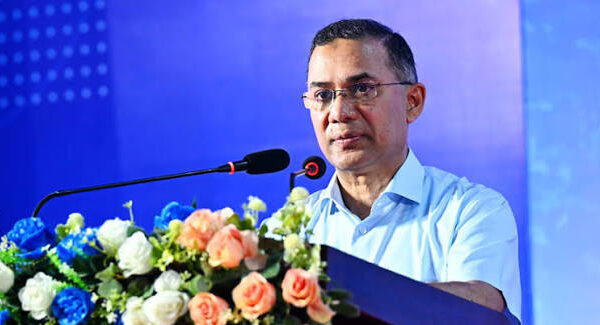
Referring to Bangladesh’s newly elected government, Currie welcomed Prime Minister Tarique Rahman’s formation of a special committee to develop a comprehensive strategy for the early, safe, voluntary and dignified return of Rohingya.
Although the strategy has yet to be released, she said its expected priorities included preventing Bangladeshi territory from being used by armed groups involved in Myanmar’s conflict and maintaining the civilian character of Rohingya camps.
Other priorities include expanding access to education, sustainable skills and self-help opportunities while addressing host communities’ needs.
Currie said she held productive discussions with senior government officials in Dhaka and visited Cox’s Bazar, where she met Rohingyas, humanitarian organizations and local stakeholders.
Growing insecurity in camps
The UN expert expressed serious concern over deteriorating security in Rohingya camps, particularly its impact on women, children and vulnerable communities.
She said Rohingyas described widespread insecurity, criminal activities, abduction fears and threats to personal safety.
Women and girls feared leaving their shelters, mothers worried about their children’s safety, and men felt powerless to protect their families, she said.
She called for urgent improvements in camp security, including removing and disarming unauthorized armed individuals and curbing criminal organizations.
Currie expressed particular concern over rising gender-based violence and crimes against children, warning that cuts in protection, education, livelihoods and healthcare could create a generation without hope or meaningful opportunities.
Inclusive dialogue essential for peace
On Myanmar’s political future, Currie said the crisis was rooted in longstanding denial of identity, security and fundamental rights to Rohingya and other communities.
“At this time, the path to peace in Myanmar does not run through Naypyidaw,” she said, holding the authorities there primarily responsible for the continuing crisis.
She stressed that sustainable peace required inclusive political dialogue involving Rohingya and other marginalised communities.
The UN expert urged regional countries and international partners to support meaningful engagement among stakeholders and stop actions contributing to violence against civilians.
Currie urged policymakers to prepare for different repatriation scenarios, whether returns became possible within weeks, months or years, by strengthening education, livelihoods and local institutions.
She also warned that localization of humanitarian assistance must not justify further funding reductions, stressing the need for stronger community capacities, refugee representation and improved camp management.
Despite prevailing hardships, Currie said Rohingyas remained determined to pursue education, employment, dignity and eventual return to Myanmar.
She commended their resilience and continued demands for justice.
The UN Special Rapporteur said she would develop comprehensive recommendations and submit a full report on her Bangladesh mission to the United Nations Human Rights Council during its March 2027 session.