





























Staff Reporter:
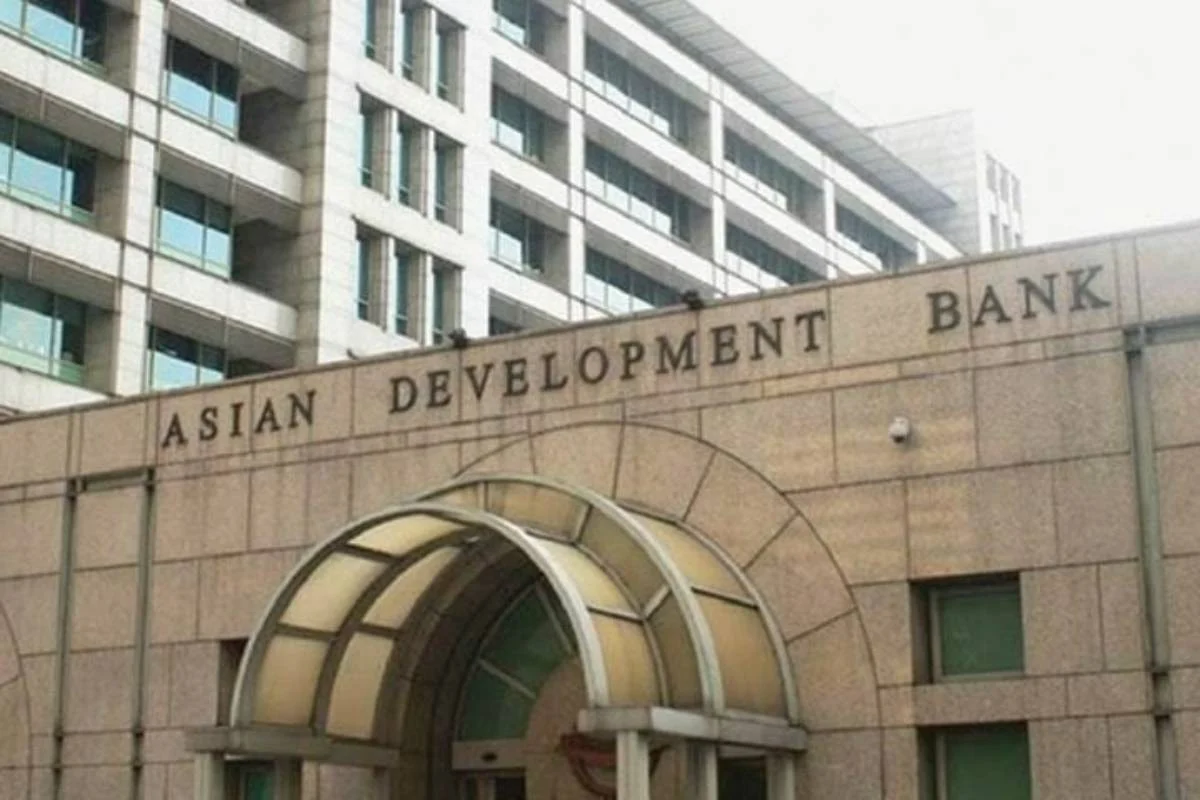
Asian Development Bank (ADB) Vice President Yingming Yang has said the Manila-based lend-ing agency is ready to help Bangladesh realize its ambition of becoming a trillion-dollar economy by 2034.
“Our vision is to help Bangladesh realize its ambition of becoming an upper-middle-income country and a trillion-dollar economy by 2034. ADB remains committed to supporting a more productive, investment-driven, and resilient economy that creates opportunities across the country and improves the lives of all Bangladeshis,” he said.
The ADB Vice-President for South, Central and West Asia said this in an exclusive interview with BSS after concluding his visit to Bangladesh from August 9 to August 13.
During his visit, Yingming Yang held senior-level consultations on ADB’s next Country Partner-ship Strategy (CPS), on key reform and investment priorities, and supporting the operationaliza-tion of the Integrated Growth Network Development (IGND) initiative.
He said Bangladesh has demonstrated considerable resilience, supported by strong remittance inflows, sustained services activity, and a dynamic private sector.
“The next opportunity is to translate this resilience into a deeper economic transformation,” he said.
As macroeconomic conditions stabilize, inflation moderates, and investor confidence improves, Yingming Yang said ADB expects growth to gradually strengthen, with GDP projected to expand by 3.7% in FY2026 and 4.5% in FY2027.
He said maintaining this momentum will require continued progress on structural reforms. Re-cent steps to strengthen tax administration, improve banking sector governance, address non-performing loans, enhance financial sector discipline, and move towards a more market-based exchange rate framework are encouraging, he said.
“Looking ahead, Bangladesh can unlock stronger and more inclusive growth by improving the investment climate, expanding reliable and affordable energy, strengthening public investment management, diversifying exports, building workforce skills, creating opportunities for women and young people, and enhancing resilience,” added the ADB Vice-President.
He noted that central to this agenda is private sector development and making markets investa-ble so that private capital can flow into productive sectors, create jobs, and drive sustainable growth.
For the people of Bangladesh, Yang said this means better jobs, more competitive enterprises, improved services, and wider opportunities beyond traditional growth centers. These reforms will be critical for raising productivity, attract investment, and support sustainable long-term development.
When asked about the new Country Partnership Strategy for Bangladesh, he said ADB’s partner-ship with Bangladesh has always evolved with the country’s aspirations.