























Staff Reporter:
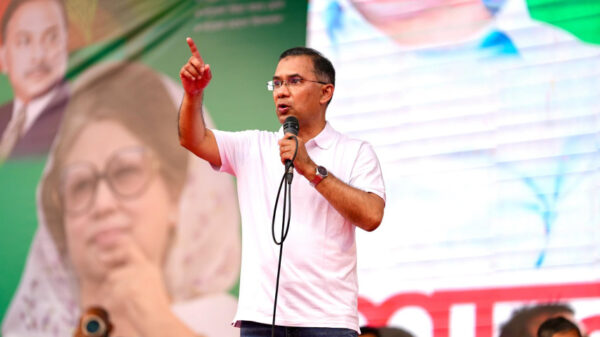
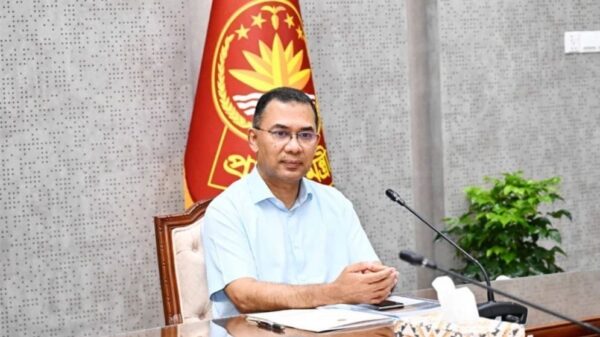
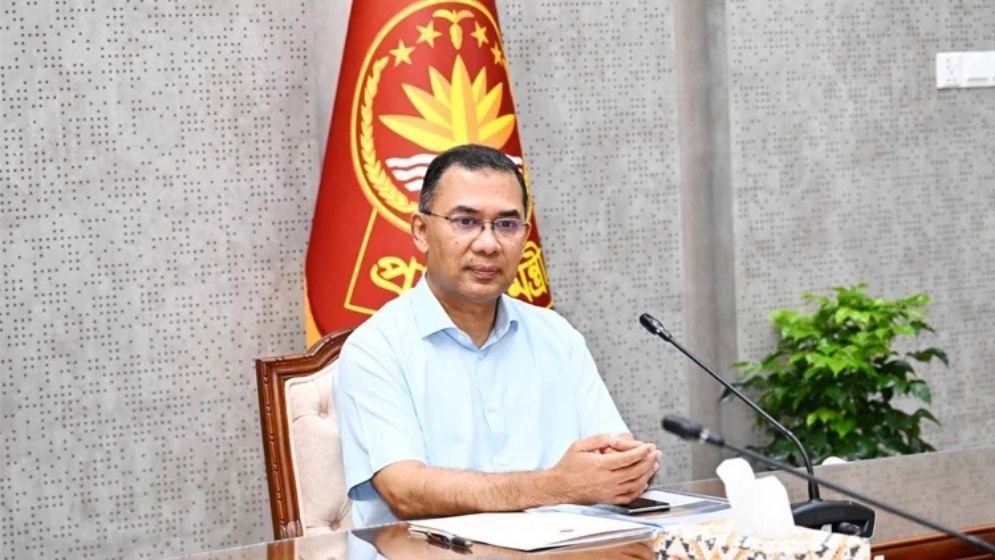
Before assuming the responsibilities of Prime Minister, BNP Chairman Tarique Rahman stated that strict action would be taken against terrorists, extortionists, and corrupt individuals regardless of their political affiliation. Last Thursday, by instructing a Member of Parliament from his own party to resign, he proved that he will not grant the slightest leniency to terrorists, extortionists, or the corrupt. His zero-tolerance policy against those involved in such crimes is not mere rhetoric. The Prime Minister truly believes what he says and puts it into practice.
In the history of parliamentary democracy in Bangladesh, past political parties were unable to take action against numerous MPs despite explicit allegations of corruption, extortion, and terrorism. Widely recognised terrorists and drug kingpins, such as Joynal Hazari of Feni or the “Yaba Emperor” Bodi, comfortably became Members of Parliament. Everyone knew there were allegations against them, yet no action was taken by the ruling party of the time.
Not just MPs—low-level leaders and even grassroots activists of the ruling party openly indulged in various criminal activities. Law enforcement agencies could not act against them because they operated under the patronage of the ruling party. It was as if members of the ruling party were granted a license for terrorism, extortion, and corruption.
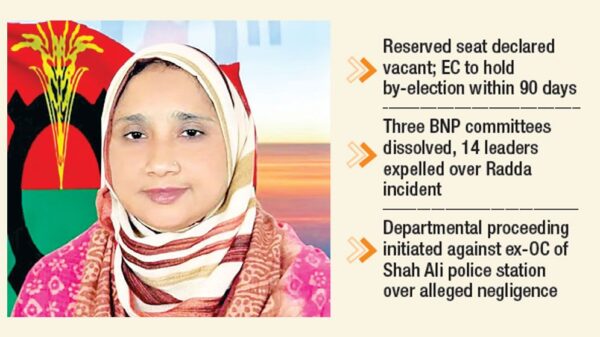
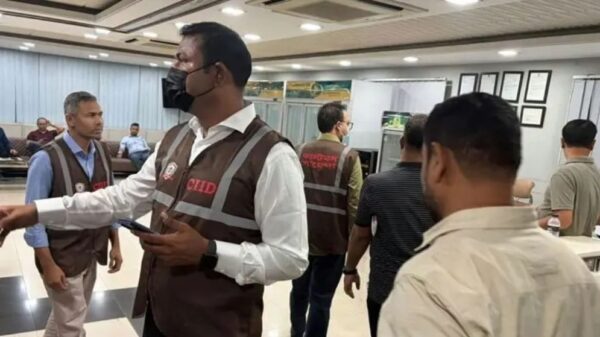
However, upon returning home on 25 December last year after 17 years, Tarique Rahman announced an end to this unethical trend in Bangladeshi politics. He declared that corrupt individuals, extortionists, and terrorists have no political identity—their sole identity is that they are criminals. Tarique Rahman has kept his word. He asked woman MP Ferdousi Ahmed Misti to resign after her name surfaced in connection with an attack, looting, and vandalism at the Radda MCH-FP Health Center in Mirpur, Dhaka. Following the incident, Prime Minister and BNP Chairman Tarique Rahman instructed Ferdousi Ahmed on Wednesday night to tender her resignation. She was also informed that stricter party action would follow if she failed to resign swiftly.
In the past, similar or even more severe allegations emerged against many MPs in Bangladesh, but those in power failed to act due to political self-interest. A culture of denial has long persisted in Bangladeshi politics. There has been a false belief that admitting to wrongdoing by one’s own party members diminishes the government’s credibility in the eyes of the public. Trying to brush aside the misdeeds of party members ultimately brought ruin to ruling parties.
Even when rulers denied it, ordinary people knew about their misdeeds, which ultimately harmed the political party itself. The public developed the impression that coming to power brings impunity for corruption, terrorism, and extortion. This not only damaged the ruling party but also eroded public trust and faith in politics as a whole. No leader in the past had the courage to conduct a purging drive within their own party, leaving people’s negative perception of politics unchanged.
Since becoming the Acting Chairman of BNP, Tarique Rahman took the initiative to change this political culture. Even during tough times for the BNP, when party leaders and activists were under intense pressure and enduring severe persecution, he made no compromises on party discipline. Tarique Rahman did not hesitate to act against anyone who went against party decisions.
Following the 2018 election, when the BNP decided not to participate in any further elections under the Awami League government, heavyweight leaders who defied party orders to run in local government elections were expelled for life. After the political shift in 2024, when certain derailed elements within the BNP turned to terrorism and extortion, Tarique Rahman showed them zero sympathy. They were not granted an inch of leeway; anyone against whom allegations were proven was expelled. Over the last two years, more than a thousand BNP leaders have been expelled for involvement in criminal activities.
Now, by taking action against an MP, Tarique Rahman has proven that he will make no compromises in building the BNP into a clean, transparent political party. This is a groundbreaking step in our politics—an occurrence rarely seen in Bangladesh. It serves as a stern warning to party activists and individuals involved in terrorism, extortion, and mugging.
This resignation sends a clear message: the government is enforcing a zero-tolerance policy, and excess will no longer be tolerated. Anyone stepping out of line will face swift disciplinary measures. Due to this decisive approach, various forms of wrongdoing across the country will decline significantly, giving other political parties the courage to clean up their own ranks. This decision will help purge corruption and terrorism from Bangladeshi politics and play a vital role in building a nation free from terror and corruption.