

































Commerce reporter:
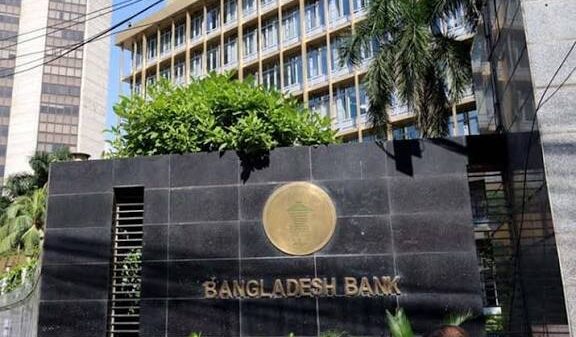
Bangladesh Bank (BB) plans to issue Bangladesh Government Investment Sukuk worth Tk 32,000 crore in the fiscal year 2026-27 to ease liquidity pressures in Islamic banks and expand Shariah-compliant investment opportunities.
The planned issuance is expected to address the shortage of Shariah-compliant investment instruments, strengthen liquidity management in Islamic banks and create new avenues for financing businesses and infrastructure development.
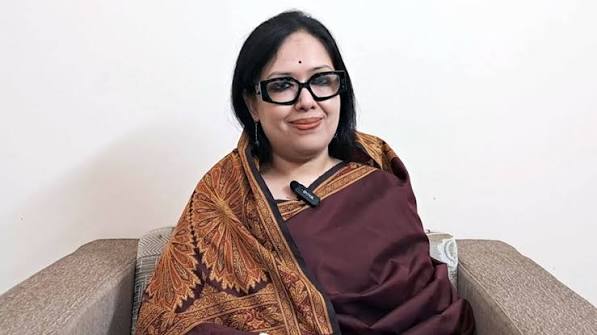
Bangladesh Bank Deputy Governor Md Kabir Ahmed disclosed the plan while speaking as the chief guest at the Bangladesh Islamic Finance Summit 2026 here yesterday.
He said Sukuk could play an important role in developing the Islamic finance industry and supporting sustainable economic growth.
Strengthening domestic financing channels has become increasingly important as foreign funding is becoming more expensive and subject to stricter conditions amid global economic fragmentation, he added.
The deputy governor noted that Bangladesh currently accounts for only 0.04 percent of the global Sukuk market, indicating significant potential for expanding the country’s participation in international Islamic finance.
He said the planned issuance would help broaden the country’s Islamic finance market while providing Islamic banks with more investment opportunities and effective liquidity management instruments.
On banking sector reforms, Kabir Ahmed said Bangladesh Bank had merged five troubled Islamic banks as part of its broader efforts to protect depositors’ interests, improve governance and restore public confidence in the banking system.
He said the consolidation initiative aimed to safeguard depositors, strengthen institutional integrity and address governance weaknesses in the Islamic banking sector.
The central bank is also working on a standalone Islamic Banking Act, drawing on regulatory experiences from Malaysia, Pakistan and Indonesia, to establish a stronger regulatory framework in line with international standards.
To strengthen oversight, Bangladesh Bank has established a dedicated Islamic Banking Regulation and Policy Department and an apex Shariah Supervisory Committee.
The central bank is also updating operational guidelines for key Islamic financing instruments, including Murabaha, Bai and Hire Purchase under Shirkatul Melk, alongside revising internal Shariah audit protocols and internal control guidelines.
Comprehensive special inspections are also underway across financial institutions to identify and address weaknesses in the sector.
“We will not allow disturbances in the financial sector in the name of Islamic banking,” the deputy governor cautioned.
Emphasising the need to diversify Islamic banking finance, he said banks should increase financing for small and medium-sized enterprises (SMEs), agriculture and rural entrepreneurs instead of concentrating lending among a limited number of large corporate groups.
He urged bankers to reach entrepreneurs in regional areas who remain underserved by formal credit channels.
Diversifying financing towards productive sectors and smaller businesses would help reduce concentration risks and build a more transparent, credible and sustainable Islamic banking sector, he added.