
























Staff reporter:
Speakers have called for coordinated national efforts, wider public awareness, voluntary carrier screening and stronger diagnostic facilities to prevent thalassaemia in Bangladesh, describing the inherited blood disorder as a major public health challenge.
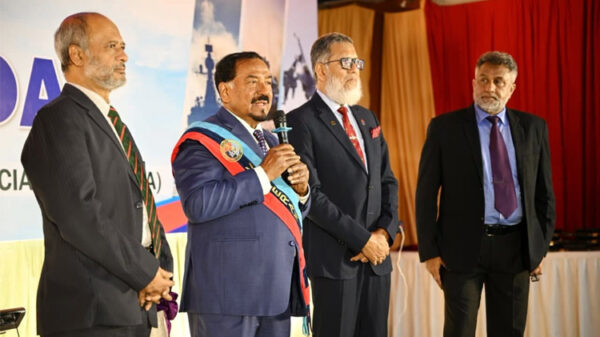
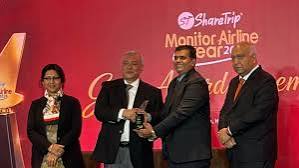
They made the call while taking part in a panel discussion on ‘Thalassemia Screening’ at a city hotel in Gulshan this morning, marking the 12th anniversary of the Institute for Developing Science and Health Initiatives (ideSHi), a Dhaka-based non-profit biomedical research and diagnostic organisation.
The experts also stressed the need for appropriate legislation, including consideration of pre-marital thalassaemia screening, to reduce the risk of affected births.
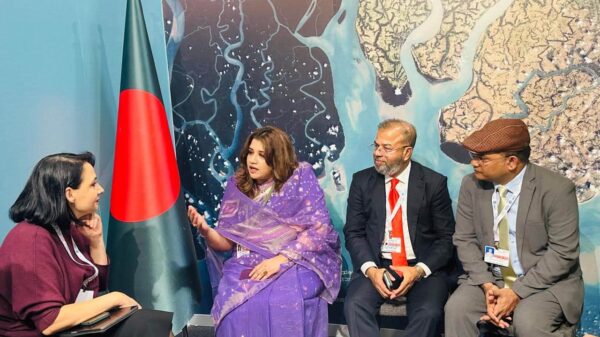
Vice President of the Ziaur Rahman Foundation and Prime Minister Tarique Rahman’s spouse Dr Zubaida Rahman was present at the event as the chief guest.
Speaking at the panel discussion, Professor Dr Md Kamrul Hasan, head of the Department of Hematology at Dhaka Medical College, said an estimated 11-13 percent of Bangladesh’s population, or around two crore people, carry thalassaemia genes.
Between 80,000 and one lakh children require regular blood transfusions, while nearly 40 percent of the country’s transfused blood is used for thalassaemia patients, he said.
Dr Hasan highlighted the financial and psychological burden on affected families, noting that costly iron-chelation drugs, inadequate treatment and limited access to diagnosis often push families into poverty and deprive children of education.
He also pointed to shortages of haemoglobin electrophoresis facilities, leading to misdiagnosis and inappropriate treatment, including unnecessary iron therapy and blood transfusions.
Professor Dr Mahmud Ahmed, chairman of the University Grants Commission, said universities could play a significant role in preventing thalassaemia through awareness campaigns, voluntary screening and genetic counselling, engaging students, medical centres, research institutions and student organisations.
Barrister Raghib Rauf Chowdhury, former president of Rotary Club Dhaka North, called upon the government to formulate a law making pre-marital thalassaemia screening compulsory and expand affordable diagnostic facilities at least to district level.
He also urged the involvement of Rotary, Lions clubs, NGOs and other stakeholders.
Earlier, the organisers said the ideSHi conducted 40 awareness and screening programmes among 5,148 individuals from 2017 to July 2026. Among them 781 individuals were identified as a career of thalassemia or other abnormal haemoglobin variants representing or an overall detection rate of 15.2 percent.
Prime Minister’s Special Assistant on Health Affairs Dr SM Ziauddin Hyder and Directorate General of Health Services (DGHS) Director General Professor Dr Pravath Chandra Biswas were also present at the event.