





























Science and Technology Minister Fakir Mahbub Anam has highlighted Bangladesh’s potential to benefit from advanced nuclear technologies, particularly in maritime applications, while stressing the need for their safe, secure and peaceful use.
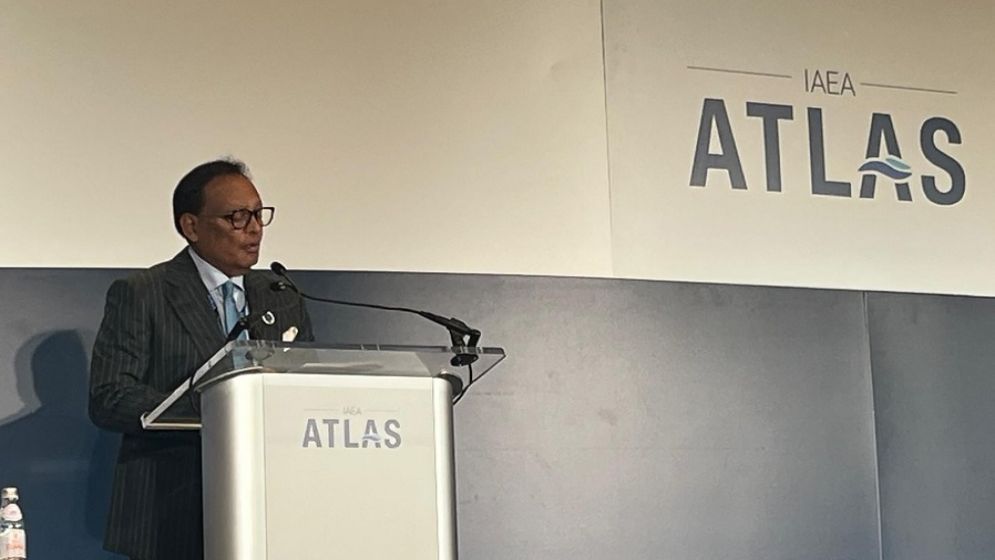
The minister made the remarks on Wednesday while delivering Bangladesh’s statement at the Atomic Technologies Licensed for Applications of Sea (ATLAS) Ministerial Launch Event 2026 in Washington, D.C., the United States.
He said Bangladesh is committed to advancing the global dialogue on nuclear energy responsibly, noting that emerging applications of advanced nuclear technologies in the maritime sector could create significant new opportunities for the country.
The minister said the world is facing unprecedented challenges, including climate change, growing energy security concerns and rising energy demand. Against this backdrop, nuclear energy is becoming increasingly important in reducing emissions while ensuring a reliable energy supply, he said.
Fakir Mahbub Anam said advanced nuclear technologies and Small Modular Reactors (SMRs) could play an important role in meeting future energy needs by providing reliable, low-carbon electricity and supporting poverty reduction, economic growth and improved living standards.
Referring to the outcome of the first Global Stocktake under the Paris Agreement, he said Bangladesh welcomes the recognition of nuclear energy and supports the initiative to triple global nuclear capacity by 2050.
Highlighting Bangladesh’s energy challenges, the minister said the densely populated country has limited domestic energy resources and faces the dual challenge of meeting rising energy demand while ensuring energy security and tackling the impacts of climate change.
“Diversifying the country’s energy mix and expanding the use of clean energy are of paramount importance for Bangladesh,” he said.
Rooppur nuclear power plant milestone
The minister also highlighted progress in Bangladesh’s nuclear power programme, saying the physical start-up of Unit-1 of the Rooppur Nuclear Power Plant marked an important milestone in the country’s journey as a member of the global nuclear energy community.
Rooppur, Bangladesh’s first nuclear power plant, represents a historic step towards the country’s transition to cleaner and more reliable energy, he said.
At the same time, Fakir Mahbub Anam stressed that Bangladesh is fully aware of the responsibilities associated with nuclear energy and emphasised the need to maintain the highest standards of nuclear safety, security and safeguards when deploying innovative reactor technologies.
He called for stronger international cooperation to facilitate the timely and safe deployment of advanced SMR technologies, including floating nuclear power plants.
Coordinated efforts are needed in technology, policymaking, regulatory frameworks, safety and capacity building, he said.
Describing ATLAS as an important international initiative, the minister said it brings together policymakers, scientists, regulators, entrepreneurs and other stakeholders to address key issues surrounding the use of nuclear technologies in maritime applications.
The initiative could provide an important platform for developing the civil nuclear maritime industry, he said.
Bangladesh looks forward to continued cooperation with the International Atomic Energy Agency (IAEA) through the ATLAS initiative to explore new opportunities in the civil nuclear maritime sector while maintaining the highest standards of nuclear safety, security and international safeguards, the minister said.
He added that international cooperation, knowledge and technology exchange, and the responsible use of nuclear technologies could help build a safer, cleaner and more sustainable future for present and future generations.
The first ministerial-level ATLAS event in Washington is being attended by US Secretary of Energy Chris Wright, IAEA Director General Rafael Mariano Grossi, ministers and senior government representatives from different countries, nuclear and maritime regulatory authorities, international organisations, and representatives of the shipping and nuclear technology industries.
Officials, researchers and industry representatives from 19 countries, including the United States, Bangladesh, the Netherlands, Norway, Kenya, the United Kingdom, France, Brazil, South Korea, China and Russia, are participating in the ATLAS ministerial launch event and panel discussions.